We’re Currently Open!

We will reopen for the holiday season.

Annuals vs. Perennials: The Budget Question Gardeners Should Ask Before Spring

Planning a garden budget is about more than choosing the least expensive plants at the garden center. Some plants provide bold seasonal color for a few months, while others return year after year and gradually become the foundation of a garden. The right choice depends on how you want your outdoor space to look, how much time you can spend maintaining it, and whether you prefer changing your display each season.

For homeowners planning annual gardening near Miller Place, understanding the differences between annuals and perennials can help make spring purchases more worthwhile.

Here is how to compare the two and build a planting plan that balances immediate color with lasting value.

Understand What You Are Paying For

Annuals and perennials serve different purposes, so their value is not always reflected in their initial price.

Annuals Provide Seasonal Flexibility

Annuals generally complete their life cycle in one growing season, meaning most need to be replanted each year. They are popular for adding bright, consistent color to containers, window boxes, borders, and areas where you want a fresh look.

The recurring cost is worth considering. If you fill several large containers with annuals every spring, the plants, soil, and other supplies can add up over time. However, annuals allow you to change colors and combinations each year without committing to the same display.

Perennials Build Long-Term Structure

Perennials typically return for multiple growing seasons when their growing conditions and care requirements are suitable. They can establish a reliable foundation for flower beds, borders, and other garden spaces.

Some perennials take time to reach their mature size, so the first season may not deliver the full display you imagined. Their value often becomes clearer as they grow, fill out their planting areas, and return in subsequent years.

When choosing perennial plants near Miller Place, consider mature size, sunlight requirements, and expected flowering periods rather than focusing only on the price of a single plant.

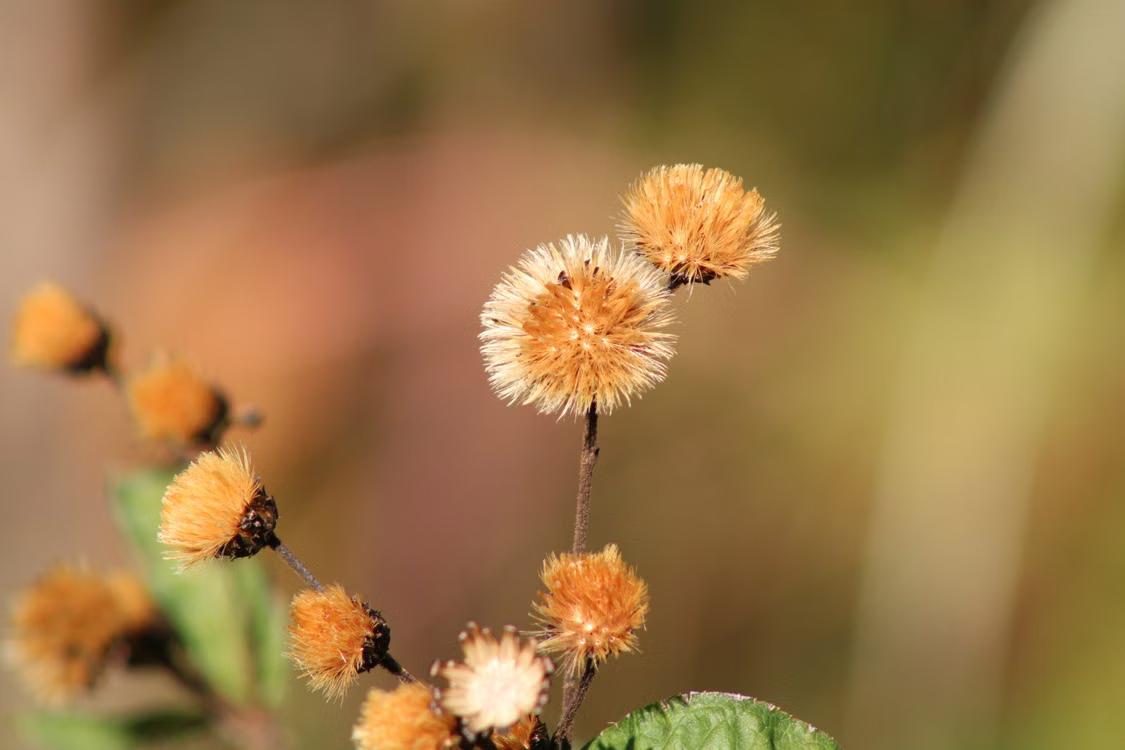
This photo shows a close-up of flowers.

Look Beyond the Initial Purchase Price

A useful garden budget accounts for what happens after planting. Consider how often you will replace plants, how much maintenance they need, and whether they will continue serving the purpose you bought them for.

For example, a bed filled entirely with annuals may provide impressive color during the first season but require a similar investment the following spring. A bed built around perennials may need more time to establish, but established plants can provide structure and recurring seasonal interest.

Neither option is automatically cheaper. Perennials may need dividing, pruning, or replacing if they struggle in the wrong location. Annuals may be relatively straightforward to replace, especially when you want a completely different display each year.

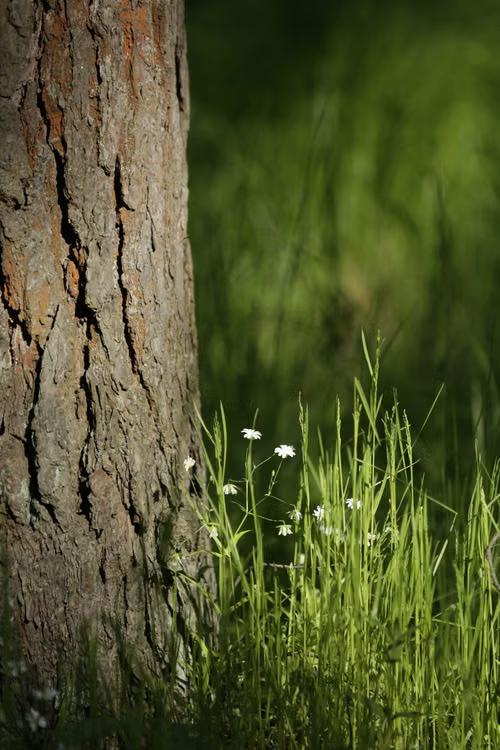
This photo shows a close-up of flowers in bloom.

Match Your Plant Choices to Your Preferences

Your budget should reflect how you actually use and enjoy your garden, not simply what appears to offer the greatest value.

Choose Annuals for Changing Displays

Annuals make sense when you enjoy experimenting with new colors, trying different combinations, or refreshing containers throughout the season. They are also useful for filling gaps while slower-growing plants establish themselves.

If you regularly change your outdoor decor or prefer a different color scheme each year, leaving room in your budget for annuals can help you maintain that flexibility.

Choose Perennials for Consistent Structure

Perennials are useful when you want a more established garden with recurring growth and seasonal interest. They can provide height, texture, and reliable planting patterns that do not need to be recreated every spring.

Their growth habits still matter. A perennial that spreads aggressively or grows larger than expected may require extra maintenance or eventually need to be moved. Choosing plants suited to the available space can help avoid these additional costs.

Build a Mixed Planting Plan

For many gardens, combining annuals and perennials offers a practical balance. Perennials can provide the underlying structure, while annuals fill open spaces and bring stronger seasonal color where it is needed.

Start by identifying the permanent elements of each bed. Decide which areas would benefit from plants that return each year, then identify containers, borders, or empty spaces where annuals could make a difference.

Next, divide your spring budget into categories. Set aside money for long-term plantings, seasonal replacements, and essential gardening supplies. Keep some flexibility for unexpected needs rather than spending everything during the first shopping trip.

This photo shows red and white flowers.

Plan Before the Spring Rush

At GardenWorx, we can help you compare suitable annuals and perennials based on your garden’s conditions, desired appearance, and maintenance needs. Our team can help you explore options for a planting plan that balances seasonal color with longer-term growth.

Contact us for help planning your spring garden.

The Overlooked Value of Winter Garden Notes: Record These Six Things Before Spring

Winter is a useful time to look back at how your garden performed throughout the year. While plants may be dormant and flower beds look quieter, you can still learn a lot from the previous growing season. A few notes about what worked, what struggled, and what needed extra attention can make spring planting much easier.

You do not need a complicated gardening journal. A notebook, spreadsheet, or folder of dated photos is enough to track important changes.

Here are six things to record before spring and how they can help you make better decisions when shopping for plants and seeking advice.

1. Record When Your Garden Had the Most Color

Think about when your garden looked its best. Note the first period when strong seasonal color appeared, when it peaked, and when the last noticeable flowers faded.

Some beds may have looked beautiful in spring but lacked color by midsummer. Others may have stayed attractive into fall. Record which plants flowered during each period and where you planted them.

These observations can help you choose a better mix of annuals and perennials next season. If you want color from spring through fall, you can select plants with different blooming periods instead of buying everything that looks appealing at the same time.

This photo shows snow on a rose.

2. Identify Plants That Needed Frequent Watering

Some plants may have wilted quickly during hot weather, while others remained healthy with little attention. Write down which plants needed frequent watering, which areas dried out first, and whether the problem occurred during particular weather conditions.

Also consider whether plants were growing in containers, raised beds, or the ground. These conditions affect how quickly soil loses moisture.

If you struggled to keep certain plants hydrated, you may need varieties better suited to your garden conditions or a different approach to watering.

3. Mark Areas Where Water Collected

Standing water after heavy rain can reveal drainage problems that are easy to overlook during dry weather. Record where puddles formed, how long they remained, and whether nearby plants showed yellowing leaves, weak growth, or signs of root stress.

Take photos of affected areas if possible. You can also sketch a simple garden layout and mark the spots where water tends to collect.

This information can help you determine whether a planting area needs different plants, improved drainage, or another solution before you add anything new.

4. Note Any Pest or Disease Problems

Keep track of plants that developed unusual spots, damaged leaves, powdery growth, or signs of insect activity. Include the approximate date, the part of the plant affected, and whether the problem spread to nearby plants.

Avoid relying on memory alone. A photograph of the symptoms can be much more helpful when you seek advice later.

Recording recurring problems can help you identify patterns and make more informed plant choices. If the same issue affected several plants in one area, the cause may involve growing conditions as well as pests or disease.

This photo shows flowers in a greenhouse.

5. Track Plants That Outgrew Their Space

A plant that looked small when purchased may eventually crowd neighboring flowers, block a walkway, or spread beyond its intended bed. Make a note of plants that became too large, required frequent trimming, or shaded plants growing nearby.

Record where each plant was located and, if possible, estimate its mature width and height.

You can also photograph crowded areas to help plan changes.

These details are especially useful when choosing replacements. Rather than buying another plant based on its size in a nursery pot, you can focus on its expected mature dimensions and growth habits.

6. Observe Wildlife Activity

Your garden may have attracted butterflies, bees, birds, or other wildlife throughout the year.

Record when you noticed them, which plants they visited, and whether certain areas seemed to attract more activity.

You might discover that some flowers drew pollinators consistently, while particular shrubs provided shelter or berries for birds. These observations can guide your choices if you want to make your garden more welcoming to local wildlife.

This photo shows brown pots with seeds in them.

Turn Your Notes Into a Spring Planting Plan

At GardenWorx, we can help you use these observations to make more informed plant selections for the coming season. Whether you need perennial plants near Riverhead, annuals, or guidance on matching plants to your garden’s conditions, our team can help you explore suitable options.

Contact us for assistance with your spring gardening plans.

What a Bare Garden Bed Can Tell You About Next Year’s Planting Plan

An empty patch in your garden can feel like an invitation to buy more plants. However, before filling every gap, take a closer look at what your garden is telling you. A bare spot might indicate that a plant struggled with its growing conditions, while an overcrowded bed could mean established varieties have spread more than expected.

Late fall offers an opportunity to review your landscape and plan for the following year.

Instead of making impulse purchases, you can use the condition of your planting beds to identify what worked, what needs changing, and where new plants would make the biggest difference.

This guide explains how to assess your garden and plan a more balanced selection of annuals and perennial plants near Miller Place.

What Empty Spaces Reveal About Your Garden

Not every gap in a planting bed has the same cause.

Understanding why an area looks bare can help you decide whether to add plants, change varieties, or improve the growing conditions first.

Plants That Didn’t Establish Successfully

If a plant disappeared or failed to grow as expected, consider what might have contributed to the problem. Poor drainage, insufficient sunlight, competition from tree roots, and inconsistent watering can all affect plant establishment.

Before replacing it, review the conditions in that part of the bed. If the original plant struggled because the soil stayed too wet, choosing another variety with the same moisture requirements may produce the same result.

Seasonal Gaps in Color

Some planting beds look full in spring but lose much of their color by late summer. This can happen when most plants flower during the same period, leaving little visual interest after their blooming season ends.

Reviewing these changes can help you identify opportunities to introduce varieties with different flowering periods. A thoughtful combination of annuals and perennials can provide more consistent seasonal interest without requiring a complete redesign every year.

This photo shows a garden bed with some flowers in it.

Why Some Garden Beds Become Overcrowded

An empty space isn’t always a problem, and a full planting bed isn’t necessarily a successful one. Plants change in size as they mature, and varieties that once fitted comfortably together may eventually compete for light, water, and nutrients.

Spreading perennials can occupy neighboring spaces, while shrubs and larger plants may shade flowers that previously received enough sunlight. Overcrowding can also make pruning and routine maintenance more difficult.

Before adding new garden plants near Miller Place, check the mature height and width of the existing varieties. You may find that dividing certain perennials, relocating suitable plants, or removing struggling varieties will improve the layout more effectively than adding new ones.

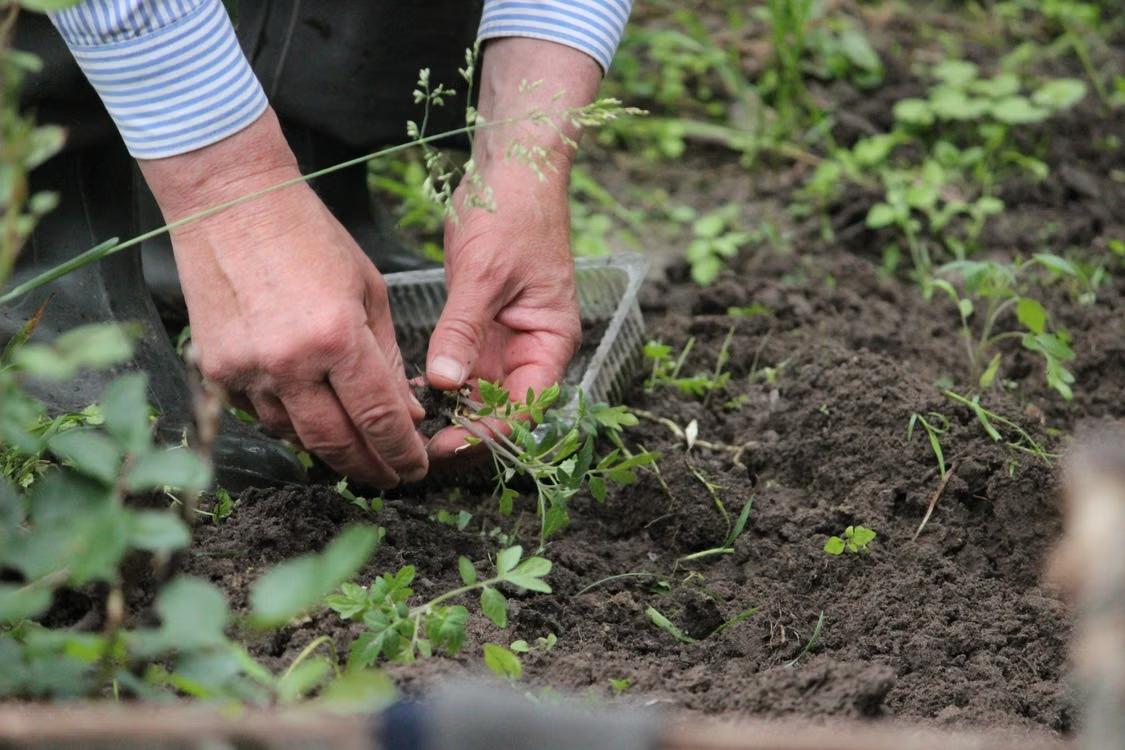
This photo shows a person planting some seeds.

How to Map Your Garden in Late Fall

Late fall is a useful time to review your planting beds while the season’s successes and problems are still fresh in your mind. A simple garden map can help you plan purchases more deliberately.

Record What Is Already Growing

Start by sketching each planting bed and marking the locations of established plants. Include shrubs, trees, and perennials that return each year, even if some have already lost their foliage.

Label plants where possible, and note which varieties performed well or struggled. If you don’t know a plant’s name, take a photograph and record its location so you can investigate it later.

Mark Empty and Overcrowded Areas

Next, identify gaps, crowded sections, and places where plants grew beyond their intended boundaries. Note whether each area receives full sun, partial shade, or mostly shade.

Also record drainage concerns, exposed spots, and areas that dry out quickly. These details will help you choose replacements suited to the actual conditions rather than simply selecting plants that look attractive at a nursery.

Plan for Different Flowering Periods

Look at your garden throughout the year rather than focusing only on its appearance in late fall. Use photographs from spring and summer to identify when color was strongest and when planting beds became less interesting.

This photo shows a gardener working.

Turn This Year’s Garden Into Next Year’s Plan

A bare garden bed can provide useful information about plant performance, seasonal color, and the space your landscape needs. By mapping your beds in late fall, reviewing what worked, and choosing plants according to their growing requirements, you can create a more deliberate planting plan for the next season. At GardenWorx, we offer a selection of plants and gardening supplies near Miller Place, NY, to support your next project.

Contact us for guidance with your gardening plans.

The Planting Mistake That Starts at the Garden Center, Not in the Garden

A beautiful flower catches your eye, and you immediately picture it brightening your garden.

You bring it home, find a convenient spot, and plant it with the expectation that it will thrive.

Weeks later, the leaves begin to wilt, flowering slows, or the plant struggles to grow.

Sometimes, the problem starts before planting. Choosing plants based on appearance alone can lead to purchases that don’t suit your garden’s sunlight, soil, drainage, or available space.

Understanding what a plant needs before buying it can help prevent disappointment and unnecessary expenses.

Whether you’re shopping for seasonal color or long-lasting greenery, this guide explains how to avoid common plant-buying mistakes and when to seek advice from a garden expert near Riverhead.

Why Attractive Plants Don’t Always Thrive

Plants can look healthy at a nursery but struggle when moved into a different environment. A variety that grows well in a sunny, well-drained bed may not perform as expected in a shaded area with consistently damp soil.

Before purchasing garden plants, consider the conditions in the space where you intend to grow them.

Sunlight and Drainage

Some plants need several hours of direct sunlight, while others perform better in partial shade. Planting a sun-loving variety beneath mature trees can limit flowering and growth.

Drainage matters just as much. Sandy soil may dry quickly, while heavier soil can retain moisture for longer. Choosing plants that match these conditions can help prevent problems associated with insufficient water or waterlogged roots.

Mature Size and Seasonal Timing

A small plant may eventually spread beyond its designated space or grow taller than expected.

Check the mature height and width before buying, particularly when planting near walkways, fences, or existing shrubs.

Seasonal timing is another consideration. Some plants are suited to particular planting periods, while others may need protection from temperature changes or additional time to establish roots.

This photo shows a close-up of young plant seedlings.

Questions to Ask Before Buying Plants

A few practical questions can help you make a more informed decision before bringing a new plant home.

Consider the following when visiting a garden center.

What Conditions Does This Plant Need?

Ask how much sunlight the plant requires, what type of soil it prefers, and how frequently it needs watering. Compare those requirements with the conditions in your garden rather than assuming you can easily adjust the environment to suit every plant.

How Large Will It Grow?

Check the plant’s mature dimensions and whether it spreads through its roots or grows into a wide clump. This helps you determine whether it will fit comfortably alongside existing plants without creating overcrowding or additional pruning work.

How Much Maintenance Will It Require?

Some varieties need regular deadheading, pruning, watering, or seasonal attention. If you have limited time for gardening, ask about options that suit your maintenance preferences while still meeting your property’s growing conditions.

This photo shows a person holding a seedling tray.

Is an Annual or Perennial the Better Choice?

Annuals typically complete their life cycle within one growing season, making them useful for temporary displays and seasonal color. Perennials generally return over multiple growing seasons, although their foliage and flowering periods vary.

Choose annuals when you want to refresh a flower bed frequently or create a particular seasonal display. Consider perennials when you want a longer-term planting plan and are prepared to provide the care they need to establish and return successfully.

Combining both can provide seasonal variety while allowing certain plants to form the lasting structure of your garden.

This photo shows a gardener planting seeds.

Make Your Next Plant Purchase Count

Successful gardening begins with choosing plants that fit your environment, available space, and schedule. Before your next purchase, take time to check sunlight, drainage, mature size, and seasonal requirements. At GardenWorx, we offer a variety of plants and gardening supplies near Riverhead, NY, to help you plan your next project.

Contact us for assistance with your gardening plans.

Can Your Garden Survive a Missed Weekend? Designing for Real-Life Schedules

A beautiful garden doesn’t have to demand your attention every few days. Many homeowners enjoy colorful flowers, healthy greenery, and well-organized planting beds but struggle to find enough time for regular watering, pruning, and other gardening tasks. Work commitments, family responsibilities, travel, and unpredictable weekends can make maintaining a landscape difficult.

Selecting the right garden plants near Riverhead can help you create an attractive outdoor space that fits your everyday life.

This blog explores practical ways to design a garden around your schedule while understanding the care plants still need to grow successfully.

Choose Plants That Match Your Routine

Not every plant requires the same level of attention. Some varieties need frequent watering, deadheading, pruning, or seasonal maintenance, while others can remain attractive with less intervention once established.

Before visiting a nursery, consider how much time you can realistically dedicate to your garden. If you often miss a weekend of maintenance, prioritize plants suited to your property’s soil, sunlight, and moisture conditions.

Plants that prefer consistently moist soil may need more attention during warm, dry weather than varieties that tolerate occasional drying. Choosing plants according to your garden’s natural moisture conditions can help reduce unnecessary watering.

This photo shows a gardener among colorful plants.

Design Around Seasonal Growth Patterns

Gardens change throughout the year, and understanding these changes can help you plan maintenance more effectively. Some plants produce most of their growth during spring, while others flower later in the season or need attention after blooming.

Instead of selecting every plant for the same flowering period, combine varieties with different seasonal characteristics. This can help maintain visual interest while spreading some gardening tasks across the year.

Plan for Spring and Summer

Spring is often a busy period for gardeners because new growth brings opportunities for planting, pruning, and preparing beds. Choosing suitable plants from the beginning can make these tasks easier as the season progresses.

During summer, heat and reduced rainfall can increase watering demands. Grouping plants according to their moisture requirements can make it easier to manage irrigation and identify areas that need extra attention.

Consider Fall and Winter Care

Some plants benefit from cutting back or dividing at particular times, while others provide attractive foliage or structure through colder months. Understanding these needs before planting can help you avoid scheduling too many maintenance tasks at once.

When selecting seasonal garden plants near Riverhead, consider how much work each variety may require throughout the year, not just how it looks when flowering.

This photo shows a colorful greenhouse.

Group Plants to Make Maintenance Easier

A garden becomes easier to manage when plants with similar needs grow together. Placing varieties with comparable sunlight, watering, and soil requirements in the same bed can simplify routine care.

For example, plants that prefer sunny conditions and well-drained soil can be grouped in one area, while shade-tolerant varieties can occupy a separate section. This approach helps prevent situations where one plant receives too much water simply because a neighboring variety needs more moisture.

Thoughtful grouping also makes it easier to spot problems. If a section of plants begins wilting or showing unusual foliage changes, you can investigate the shared conditions rather than checking every plant individually.

Low Maintenance Still Requires the Right Care

A lower-maintenance garden isn’t a garden that can be ignored completely. Even plants selected for their resilience need suitable growing conditions and appropriate care, particularly during establishment.

Newly planted perennials and annuals need monitoring to ensure their roots develop properly.

Watering requirements depend on rainfall, temperature, soil type, and the plant itself.

Regular checks can help you identify problems before they become harder to manage.

Established plants may also need occasional pruning, fertilizing when appropriate, or attention to pests and diseases. The goal is to reduce unnecessary work rather than eliminate essential care.

This photo shows a close-up of flowers.

Create a Garden That Fits Your Life

By choosing plants suited to your property, grouping varieties with similar needs, and planning for mature growth, you can make routine gardening more manageable. At GardenWorx, we offer a selection of plants and gardening supplies near Riverhead, NY, to help you plan your next project.

Contact us for guidance as you plan a garden that suits your space, preferences, and schedule.

The Garden Center Decision Most Shoppers Make Too Late: Planning for Mature Plant Size

A plant that looks small and manageable at the nursery can eventually take over an entire garden bed. Homeowners often choose flowers and greenery based on their current appearance, color, or price without considering how much space they will need as they grow.

Months or years later, crowded planting beds, tangled roots, and constant pruning can turn a simple gardening project into an ongoing maintenance task.

Here’s what to consider before your next visit to a garden center near Riverhead, NY.

Why Small Nursery Plants Can Create Big Problems

Plants at a nursery are often young, compact, and easy to fit into small spaces. However, their appearance at the time of purchase doesn’t always reflect their eventual width, height, or root spread.

A perennial that fits neatly beside a walkway may eventually spread into the path. A flowering plant that looks perfect between two shrubs might become crowded once all three reach maturity. These changes can affect the appearance of your garden and make routine maintenance more difficult.

Before purchasing perennial plants, check the plant label for its expected mature dimensions.

Some varieties remain relatively compact, while others spread several feet across.

This photo shows a person carrying a wooden box with plants.

How Overcrowding Affects Your Garden

Planting too closely can create several problems that aren’t immediately obvious. Giving each plant enough room from the beginning supports healthier growth and reduces the need for repeated adjustments.

Spacing and Airflow

When plants grow too close together, their leaves and branches can overlap, limiting airflow around the foliage. Dense growth can also make it harder for sunlight to reach lower leaves and surrounding plants.

Poor airflow may encourage certain fungal diseases, particularly when foliage remains damp for extended periods.

Root Competition

Plants compete for water, nutrients, and growing space below the soil surface. When roots become crowded, nearby plants may struggle to access the resources they need, especially during dry weather.

A planting bed can appear healthy initially but become increasingly difficult to maintain as roots expand. Before choosing garden plants, consider not only how much room their foliage needs but also how they may compete with established shrubs, trees, and other perennials.

Pruning and Maintenance Demands

Overcrowded plants often require more frequent pruning to keep walkways clear, preserve the shape of the garden, and prevent one variety from overwhelming another.

Regular pruning can help manage some growth, but it isn’t always a substitute for adequate spacing. Certain plants may lose their natural shape when repeatedly cut back, while others can require more maintenance than homeowners anticipated.

This photo shows a variety of plants in a greenhouse.

How to Measure Your Garden Before Shopping

Before visiting a garden center near Riverhead, NY, take a few simple measurements of the planting area.

These details can help you determine which plants are suitable and how many you can reasonably accommodate.

Measure the Available Bed Space

Start by measuring the length and width of the planting bed. For an irregularly shaped area, divide it into smaller sections and measure each one separately.

Remember to account for walkways, stepping stones, fences, and other features that plants shouldn’t obstruct. If the bed sits beside a building or established tree, consider how much usable space remains once those features are taken into account.

Check Mature Plant Dimensions

Once you have your measurements, research the expected mature height and width of the plants you’re considering. Use the information on plant labels and ask for clarification when growth dimensions aren’t provided. Spacing recommendations can vary depending on the plant variety and the desired appearance.

Calculate How Many Plants You Need

Use the recommended spacing to estimate how many plants will fit comfortably in the bed.

For example, plants spaced approximately 18 inches apart need more room than varieties spaced 8 inches apart. Allow enough space for plants to reach their expected size without blocking paths or competing excessively with neighboring varieties.

This photo shows some plants in black pots.

Plan for Growth Before Your Next Planting Project

A beautiful garden starts with plants that suit the space available to them. By measuring your beds, checking mature dimensions, and allowing for healthy root growth, you can avoid overcrowding and reduce unnecessary pruning and relocation. At GardenWorx, we offer a selection of plants and gardening supplies to help you prepare for your next project.

Contact us for assistance with your gardening plans.

Why Your Neighbor’s Garden Thrives With Different Plants Than Yours

Have you ever noticed that your neighbor’s garden looks full and healthy while the same plants struggle in your yard? Even when two properties are on the same street, their growing conditions can be surprisingly different. One garden may receive hours of gentle morning sunlight, while another sits beneath heavy afternoon shade. One planting bed may drain quickly after rain, while another stays damp for days.

These differences influence how plants establish roots, develop foliage, and produce flowers.

Choosing the right garden plants near Miller Place involves understanding the conditions in your own yard rather than simply copying a landscape that looks successful nearby.

This blog explains how to assess your property’s growing conditions and choose plants that are better suited to your garden, with practical gardening advice to help you make informed decisions.

Your Property Has Its Own Growing Conditions

Several environmental factors can make two neighboring gardens behave differently, even when they experience similar weather.

Understanding these differences can help you choose suitable plants before visiting a garden center.

Sunlight and Shade Change Plant Performance

Sun exposure is one of the most important factors affecting plant growth. A garden that receives six or more hours of direct sunlight may suit sun-loving flowers, while a planting bed beneath mature trees may be better suited to shade-tolerant varieties.

Morning sunlight is generally less intense than afternoon exposure, which can become particularly challenging during hot summer weather. Buildings, fences, and neighboring trees also cast shadows that change throughout the day and across the seasons.

When exploring annual gardening, consider how much sunlight your planting areas receive before selecting seasonal flowers. The same principle applies when choosing perennial plants, since many perennials return each year and need suitable conditions to establish successfully.

This photo shows a person holding a plant.

Reflected Heat Can Stress Plants

Hard surfaces can create warmer conditions than the surrounding garden. Driveways, paved walkways, brick walls, and patios absorb and reflect heat, sometimes causing nearby soil to dry out faster.

A flower bed beside a driveway may therefore need plants that tolerate heat and occasional dry conditions. The same variety might struggle in a cooler bed on the opposite side of the property.

When planning a planting area, consider its distance from paved surfaces and walls. These features can influence moisture levels and leaf health, even when the garden receives similar sunlight to other parts of your yard.

Wind Exposure Affects Growth

Wind is another factor that gardeners sometimes overlook. Open yards and exposed corners may experience stronger gusts than sheltered spaces near fences or buildings. Wind can damage delicate stems, dry foliage, and increase moisture loss from leaves and soil.

If your garden is particularly exposed, look for plants with growth habits suited to those conditions. Sturdier stems and compact forms may perform better than tall, delicate varieties that require shelter or support.

This photo shows flowers blooming.

Soil and Drainage Matter More Than You Think

Two nearby properties can have different soil textures, organic matter levels, and drainage patterns. Even within one yard, soil conditions may change between a raised bed, a lawn border, and an area beneath established trees.

Sandy soil tends to drain quickly, which can mean more frequent watering. Heavier soil may retain moisture for longer, potentially creating problems for plants that need well-drained roots. Compacted ground can also restrict root development and prevent water from moving through the soil efficiently.

Before purchasing plants, check whether water disappears quickly after rainfall or remains pooled on the surface. Consider whether the soil feels sandy, crumbly, or dense when slightly moist. These observations can help you determine whether you need to improve the soil or select plants better suited to existing conditions.

This photo shows flowers in a garden.

Build a Garden That Works for Your Property

Before your next planting project, visit GardenWorx to explore our selection of annuals, perennials, and other garden plants. We offer a variety of options for gardeners looking for suitable plants and seasonal inspiration, and our team can help you consider your garden’s growing conditions when making your choices. Whether you need a plant expert near Miller Place or are exploring garden plants, we invite you to discover how the right plant selection can make a difference.

Contact us to learn more about our offerings and let us help you find plants for your next gardening project.

Stop Treating Fall as the End of the Garden: Building Winter Interest From What You Already Have

Fall does not have to mark the end of an attractive garden. Once flowers fade, many plants still offer texture, shape, movement, and color that can carry a landscape into winter.

Before buying anything new, take a closer look at what is already growing. Seed heads, dried flowers, ornamental grasses, evergreen foliage, and interesting bark can all contribute to a garden that feels intentional long after peak bloom.

At GardenWorx, we encourage gardeners to evaluate the whole landscape before adding more plants. A thoughtful approach can reveal winter interest that was already there.

Start With Seed Heads and Dried Flowers

Some plants become more interesting after flowering. Seed heads can add distinctive shapes against the winter landscape, while dried flower clusters can provide structure and texture.

Instead of cutting everything back as soon as blooms fade, walk through the garden and identify plants that still have strong forms. Coneflower seed heads, for example, can stand upright after flowering. Ornamental alliums can also leave behind rounded seed structures that add visual interest.

Dried flowers can also create subtle movement when wind passes through a planting bed. Their muted colors may contrast beautifully with evergreen foliage or dark branches.

Let Ornamental Grasses Keep Moving

Ornamental grasses can become particularly valuable as the garden moves toward winter. Their upright or arching forms add height, while their seed plumes can catch sunlight and move with the wind.

Look at your existing grasses before deciding whether you need another planting. A single established clump may provide more winter structure than several newly purchased plants.

Consider how grasses interact with surrounding plants. Their fine texture can soften larger leaves, while taller varieties can create a visual transition between lower planting beds and shrubs.

Look for Evergreen Foliage

Evergreen foliage provides another layer of winter interest. While deciduous plants lose their leaves, evergreen plants can continue contributing color and density.

Walk around your property and identify areas that become noticeably empty in winter.

Existing evergreen foliage may already provide enough coverage to balance those spaces.

If your landscape lacks winter greenery, that does not automatically mean you need a major planting project. Make notes about the areas that genuinely need more structure.

You can then compare those needs with the mature size, sunlight requirements, and moisture preferences of potential additions.

Bark Can Become a Winter Feature

Once leaves disappear, bark becomes easier to notice. Trees and shrubs with distinctive bark can provide subtle visual contrast during the colder months.

Look for peeling, textured, colorful, or unusually patterned bark. Pay attention to how branches appear against fences, walls, lawns, and other plantings.

This is one reason a garden should be evaluated throughout the year. A plant that seems quiet during summer may become one of the strongest visual elements once surrounding foliage disappears.

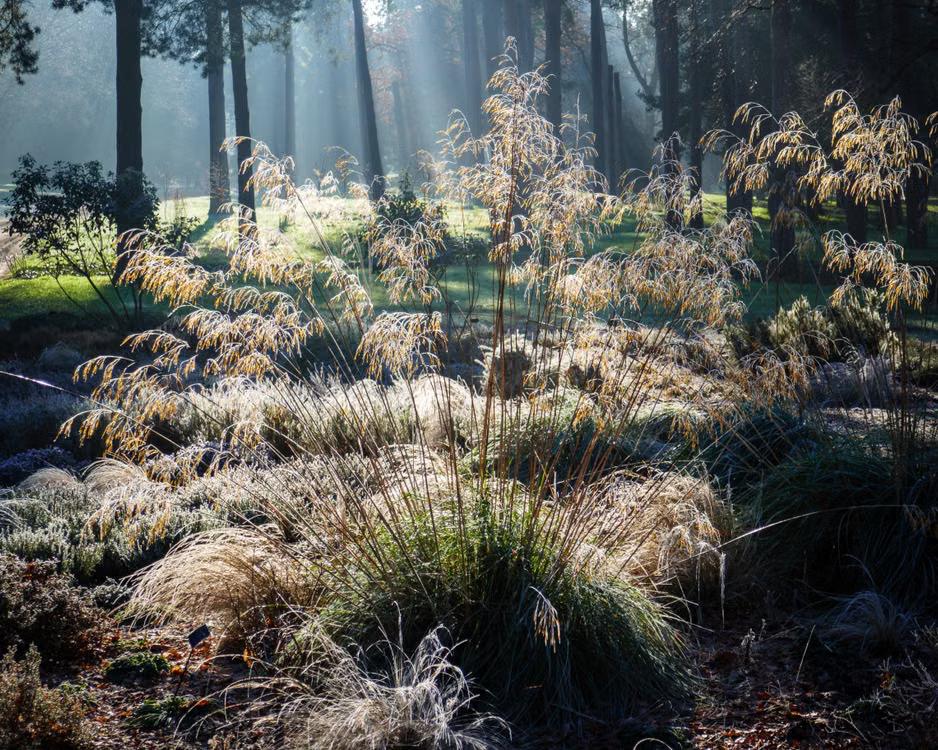
Evergreen foliage and ornamental grasses creating texture around a tree with visible bark in winter

Evaluate Before You Buy

If you are considering new perennial plants near Miller Place, start by assessing the landscape you already have.

Ask yourself:

  • Which plants still look attractive after flowering?
  • Where does the garden lose structure?
  • Which areas need evergreen foliage?
  • Are there empty spaces that become too noticeable in winter?
  • Could pruning reveal an attractive branch structure?
  • Are some plants being cut back before their winter form can be appreciated?

These questions can prevent unnecessary purchases. They can also help you make more deliberate choices when you eventually visit a garden center.

Build Around Four-Season Structure

A garden with winter interest does not need to look identical in January and July. The goal is to create changing layers that remain visually engaging as different plants enter dormancy.

Existing perennial plants can provide the foundation. Add evergreen foliage where year-round density is needed. Keep selected seed heads for texture. Use grasses for movement. Let distinctive bark and branches become more visible once leaves fall.

For gardeners looking for garden plants near Miller Place, thinking about the entire year can make plant selection more useful. Instead of asking only when a plant flowers, consider what it contributes before and after flowering.

At GardenWorx, we help gardeners think through those choices based on their space, growing conditions, and goals. Our approach is rooted in horticultural knowledge and practical customer guidance. More than 70% of our plant material is grown in-house, reflecting our focus on plant quality and local growing conditions.

Layered garden with evergreen foliage, ornamental grasses and dormant perennial plants in winter

Make Your Existing Garden Work Harder

The end of flowering does not mean the end of your garden’s visual appeal. Before removing everything or shopping for replacements, pause and observe.

The strongest winter features may already be growing in your landscape.

If you need help evaluating your planting plan or choosing additions, visit our garden center near Miller Place for guidance. You can also explore our Farm & Garden resources or contact GardenWorx with questions about your garden.

The Empty Corner Problem: How to Design Around a Space Your Garden Keeps Ignoring

An empty garden corner can be frustrating, especially when nearby plants are healthy and full. Before filling the space with garden plants, first determine why it remains difficult. Shade, dry soil, tree roots, reflected heat, poor drainage, or limited room can all affect plant performance. A garden expert near Riverhead can help identify these conditions before you spend money on plants that may struggle.

Shady Corners Need the Right Approach

A corner beneath fences, buildings, or dense branches may receive very little direct sunlight. Instead of treating the lack of flowers as a planting failure, check how much light reaches the area during morning and afternoon.

Shade-tolerant foliage plants may work better than sun-loving flowers. Consider plants with interesting leaf shapes, varied textures, or seasonal color that does not depend on long hours of direct sun. Light can also change throughout the year, so observe the corner in more than one season before making a final choice.

Narrow Strips Need Careful Planning

Thin spaces beside paths, fences, driveways, or property lines can be difficult because mature plants may quickly block access. Measure the width before selecting anything, and check the plant’s mature spread rather than judging its size from the container.

Low-growing plants, compact shrubs, or narrow upright forms can make better choices. Leave enough room for pruning and routine maintenance. A planting bed should add interest without turning a walkway into an obstacle course.

close-up of shrubs in a garden

Dry Areas Beside Foundations

Soil beside foundations can remain unusually dry because roof overhangs may prevent rainfall from reaching the ground. Nearby paving can also increase heat and reduce available moisture.

Before planting, check the soil several inches below the surface. If it stays dry, choose plants suited to those conditions or consider whether irrigation can reach the area. Avoid assuming that frequent surface watering will solve a deeper moisture problem. A simple moisture check can prevent wasted planting efforts and help create healthier, more sustainable growth in challenging areas.

Spaces Beneath Mature Trees

Planting beneath established trees can be difficult because the canopy reduces sunlight while roots compete for water and nutrients. Digging can also disturb important roots.

Rather than adding many plants, begin by assessing the available light, soil depth, and moisture. Select plants that can tolerate the conditions, and avoid piling deep soil over tree roots simply to create a new bed. Mulch can provide a cleaner finish, but it should be kept away from tree trunks.

Blank Areas Between Established Plants

Sometimes the problem is not a difficult location but an awkward gap between plants that already work well. Measure the opening and consider how surrounding plants will expand. A small empty space today may disappear next year as established specimens grow.

Repeat an existing plant when appropriate, or choose something that connects the surrounding colors, textures, or heights. The goal is to fill the gap without making the planting feel crowded.

a woman working working in a garden

Look at the Conditions Together

Awkward spaces rarely have just one issue. A corner may be shaded, dry, and affected by tree roots at the same time. A strip beside a driveway may receive intense heat while having limited soil.

Make notes about sunlight, moisture, drainage, wind, soil texture, root competition, and available space. Photos taken at different times can also reveal conditions that are easy to miss during a single visit. This information creates a stronger basis for selecting plants throughout the year and across seasons.

When Expert Guidance Helps

Some spaces remain troublesome because their conditions are hard to assess.

Professional advice can help determine whether the answer involves plant selection, soil improvement, irrigation, drainage, pruning, or simply accepting that a particular location should remain mostly open.

An experienced gardening professional can assess the site and suggest realistic options.

Choosing plants suited to specific conditions can improve establishment, while practical advice can help homeowners understand proper placement and ongoing care.

Give the Empty Corner a Purpose

An ignored space does not always need a large planting. It may benefit from a compact group of shade plants, a simple bed of foliage, a container arrangement, or a clean open area beneath a tree. Start with the conditions, then decide what the space should contribute.

For homeowners considering plant expert guidance, garden center options, or nursery near Riverhead selections, professional input can make difficult spaces easier to assess. GardenWorx LI can help turn an awkward corner into a practical, attractive part of your garden. Contact us today.

The Garden Center Conversation: 8 Questions to Ask Before Choosing a Plant

Buying a plant can be exciting, but a healthy specimen is not automatically the right choice for your yard. Before placing it in your cart, ask how it will perform where you plan to grow it. For homeowners seeking a plant expert near Riverhead, a short conversation can provide useful context about local conditions and help prevent disappointing purchases. These questions can make that conversation more productive.

1. How Much Sunlight Does It Need?

Ask whether the plant requires full sun, partial shade, or mostly shade. A bed that receives morning sun may behave differently from one exposed to strong afternoon light. Watch your intended planting area before buying so you can compare actual conditions with the plant’s requirements.

2. What Soil Moisture Does It Prefer?

Find out whether the plant prefers consistently moist, moderately dry, or well-drained soil. A moisture-loving plant may struggle in a dry bed, while a drought-tolerant variety can suffer when its roots remain wet. Ask how often newly planted specimens typically need water and whether seasonal rainfall changes those needs.

3. How Large Will It Get?

The small plant in a nursery container may eventually become much wider or taller.

Ask about mature height and spread, then compare those dimensions with the available space. Consider nearby paths, windows, fences, utilities, and other plants.

Giving a plant enough room from the beginning can reduce future pruning and relocation.

a woman spraying water on flowers blooming on a plant

4. When Does It Bloom?

Ask when flowering begins, how long it usually lasts, and whether the plant blooms once or repeatedly. Bloom timing matters when you want continuous color rather than several plants flowering at the same time. Combining early, midseason, and late bloomers can help prevent empty periods between displays.

5. How Much Maintenance Does It Need?

Some plants need regular pruning, deadheading, dividing, staking, or seasonal cleanup.

Others can grow with minimal attention once established. Ask what routine care the plant requires and when that work should be done. A plant that looks attractive but demands more upkeep than you want may not be a practical selection.

6. Will Wildlife Cause Problems?

Ask whether deer, rabbits, or other wildlife commonly feed on the plant. Wildlife pressure can vary between properties, so mention what you have observed in your own yard. If browsing is frequent, ask about plants with better tolerance and whether young plants need temporary protection while they become established.

7. What Will It Look Like Beyond Blooming?

Flowers are only one part of a plant’s appearance. Ask about foliage color, texture, fall changes, seed heads, berries, bark, or evergreen qualities. A plant that remains attractive after flowering can contribute more to the garden across the year than one that offers a brief display and then fades into the background.

close-up of a gardener working in a garden

8. Does It Fit My Growing Conditions?

Finally, ask whether the plant is suited to your specific site. Mention drainage, soil type, wind exposure, nearby trees, available space, and the amount of care you can provide. General plant labels are useful, but local conditions can affect performance.

A garden expert may notice factors that are easy to overlook during a quick shopping trip.

Make the Conversation Useful

Bring photos of the planting area when asking for advice. Pictures can show sunlight patterns, nearby structures, existing plants, and potential space limitations. If possible, bring notes about watering, soil problems, wildlife activity, and previous plants that struggled.

You can also ask which alternatives would perform better if your first choice is not suitable. Comparing two or three options based on the same conditions can make your final selection easier.

Before purchasing, review the plant’s mature size, care requirements, seasonal appearance, and likely challenges. This small pause can save money and reduce the need to replace plants later.

Choose With the Whole Year in Mind

The right plant should fit more than one moment in your garden. Think about its needs, size, flowering period, maintenance, wildlife pressure, and appearance after the flowers fade. Garden plants selected with these factors in mind can provide stronger results, while gardening advice can help clarify questions about placement and care. For shoppers comparing options at a garden center near Riverhead, asking informed questions can turn a simple purchase into a more confident planting decision.

GardenWorx LI can help you evaluate your options and choose plants that suit your space and goals. Explore the garden center and contact us today.