We’re Currently Open!

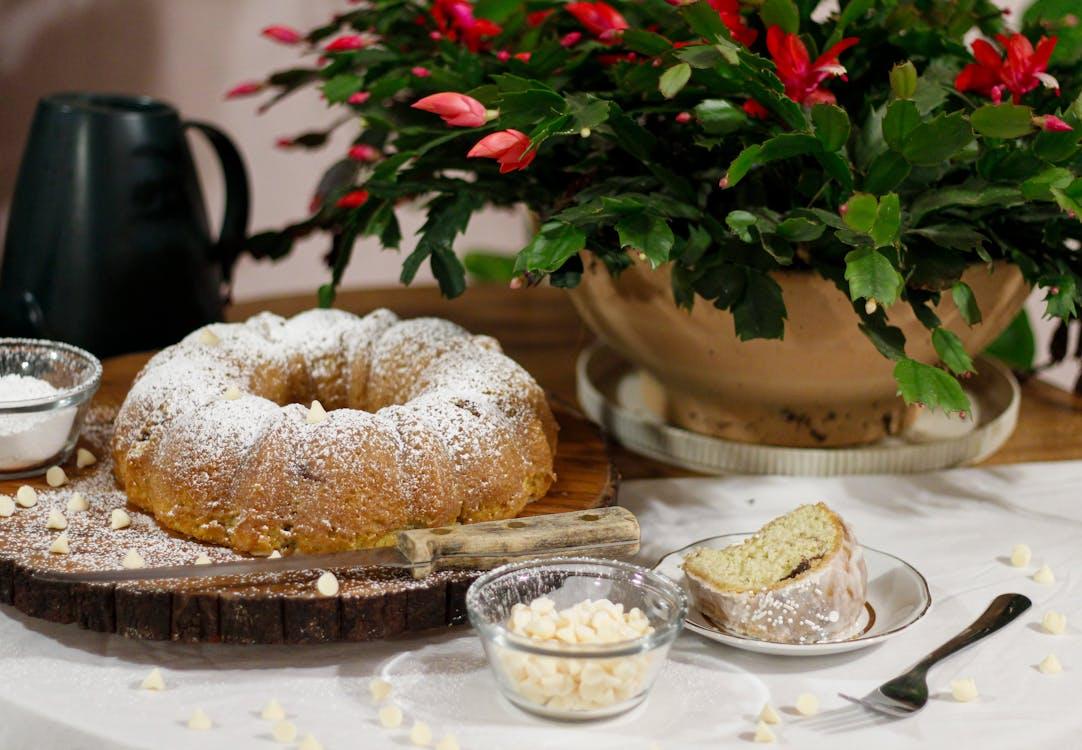
We will reopen for the holiday season.

Seed-Starting Season: What to Grow Indoors Before Spring Hits

Late winter may still look gray outside, but indoors, it’s the perfect time to kick off the growing season. February is when many Long Island gardeners begin planting seeds indoors, giving vegetables, herbs, and flowers a valuable head start before outdoor planting begins.

Successful indoor gardening pros know that starting early doesn’t just speed things up. It produces stronger plants, earlier harvests, and a more rewarding spring transition once temperatures finally warm.

Why Start Seeds Indoors?

Seeds started indoors grow in controlled conditions, protected from cold temperatures, heavy rain, and unpredictable weather. Instead of waiting for the soil outdoors to warm, gardeners can nurture seedlings under ideal light and moisture levels.

Benefits include:

  • Earlier harvests for vegetables
  • Stronger root systems
  • Greater plant variety choices
  • Cost savings compared to buying mature plants

For many homeowners exploring seasonal gardening in Long Island, seed-starting becomes a favorite late-winter tradition that bridges the gap between seasons.

Best Plants to Start Indoors in February

Not every plant needs an early start, but several thrive when planted indoors weeks before spring.

Herbs
Basil, parsley, thyme, and chives are excellent beginner-friendly options. Herbs germinate quickly and adapt well to container growth before moving outdoors.

Cool-Season Vegetables
Broccoli, cabbage, kale, and lettuce benefit from early planting. These crops enjoy cooler temperatures and establish faster when transplanted as sturdy seedlings.

Early Fruit Vegetables
Tomatoes and peppers should also be started indoors now since they require a longer growing period. Giving them extra time indoors results in healthier production later.

Gardeners browsing garden plant options often find that starting seeds themselves opens access to unique varieties not commonly sold as starter plants.

Setting Up a Simple Indoor Growing Space

You don’t need a greenhouse to succeed. A bright window or small dedicated shelf works well when paired with a few essentials.

Key items include:

  • Seed trays or small containers with drainage
  • Quality seed-starting mix
  • Grow lights or strong natural sunlight
  • Spray bottle or a gentle watering can

Using lightweight seed-starting soil instead of garden soil is especially important. Dense outdoor soil can suffocate delicate roots, while specialized mixes help seedlings grow evenly.

Many beginners seeking gardening advice in Riverhead discover that lighting makes the biggest difference. Without enough light, seedlings stretch and become weak.

Watering and Temperature Tips

Seedlings prefer consistent moisture, not soaking wet conditions. Overwatering is one of the most common mistakes new gardeners make.

Helpful guidelines:

  • Mist lightly instead of pouring water
  • Allow the top layer of soil to dry slightly between watering
  • Keep temperatures between 65–75°F (18–24°C)

A humidity dome can help during germination, but once sprouts appear, airflow becomes essential to prevent mold and disease.

Common Seed-Starting Mistakes to Avoid

Even experienced gardeners occasionally run into issues. Avoiding a few common errors can dramatically improve results.

Starting Too Early
Plants that outgrow containers before spring become stressed. Follow recommended planting timelines.

Insufficient Light
Weak, leggy plants often result from poor lighting conditions.

Overcrowding Seeds
Planting too many seeds together limits airflow and root development.

Skipping Hardening Off
Before moving plants outdoors, gradually expose them to fresh air and sunlight over 7–10 days.

Practicing careful indoor gardening techniques ensures seedlings transition smoothly when outdoor planting season begins.

When to Transplant Outdoors

Timing matters. Long Island’s last frost typically occurs in mid-to-late spring, so patience is key. Seedlings should have several sets of true leaves and strong stems before moving outside.

Watch soil temperatures rather than just calendar dates. Cool-season crops can transition earlier, while tomatoes and peppers should wait until nights remain consistently mild.

Gardeners in Long Island often rely on guidance from a trusted plant expert in Riverhead or local garden center teams to determine the safest planting window each year.

A Rewarding Start to the Gardening Season

There’s something uniquely satisfying about growing plants from seed. Watching tiny sprouts emerge during winter brings energy and optimism long before outdoor gardens wake up.

Indoor seed-starting turns late winter into an active, creative part of the gardening calendar. With proper lighting, careful watering, and thoughtful timing, your seedlings will be ready to thrive the moment spring arrives.

Visit GardenWorx for Seed-Starting Supplies and Guidance

Our GardenWorx garden center and nurseries, located near Riverhead and Miller Place, help local gardeners prepare for spring with high-quality seed-starting mixes, containers, and expert recommendations tailored to Long Island growing conditions. Whether you’re new to indoor planting or expanding your garden this year, our knowledgeable team can help you choose the right seeds and supplies for success

The Soil Wake-Up Call: Getting Garden Beds Ready Before Spring Arrives

Winter may still have a grip on Long Island, but beneath the surface, your garden is already preparing for spring. Soil doesn’t truly “sleep.” It shifts, settles, and slowly recovers from months of cold, moisture, and dormancy. Giving your beds a little attention now can make the difference between struggling plants and a thriving landscape later.

Smart soil care for Riverhead gardens starts before the first warm weekend arrives. Late winter is the perfect window to refresh garden beds, improve structure, and create a healthy foundation for the growing season ahead.

Why Soil Preparation Matters More Than You Think

Many gardeners in Riverhead focus on plants first, but experienced growers know the real magic happens underground. Healthy soil controls drainage, nutrient availability, and root development. After winter snow, rain, and freeze-thaw cycles, soil often becomes compacted or depleted.

Preparing early helps:

  • Improve airflow around roots
  • Prevent waterlogging during spring rains
  • Support beneficial microorganisms
  • Encourage stronger plant establishment

Gardeners near coastal areas often notice heavier soils holding excess moisture, making early soil care for Riverhead gardens especially important for long-term success.

Step One: Let the Soil Breathe

It’s tempting to jump into digging as soon as temperatures rise slightly, but patience matters. Working soil while it’s still overly wet can cause compaction that lasts all season.

A simple test: grab a handful of soil and squeeze it. If it forms a sticky ball that doesn’t crumble, give it more time. Once workable, gently loosen the top few inches using a fork rather than turning the soil aggressively.

Gardeners seeking reliable gardening advice in Riverhead often hear the same rule: loosen, don’t destroy. Protecting soil structure preserves natural microbial life that supports plant health.

Step Two: Clean Up Without Overdoing It

Late winter cleanup helps the soil warm faster and prepares beds for planting. Remove fallen branches, heavy leaf buildup, and decaying annuals, but leave some organic matter behind.

That leftover material acts like nature’s blanket, slowly breaking down and feeding the soil. This balanced approach is a key part of effective soil care for Riverhead gardens, especially for perennial beds that benefit from gradual nutrient release.

Step Three: Add Organic Matter for a Nutrient Boost

If your garden struggled last year, the soil may be asking for help. Compost is one of the easiest ways to restore nutrients naturally while improving drainage and texture.

Consider adding:

  • Compost or aged manure
  • Leaf mold
  • Organic soil conditioners

Spread a thin layer across beds and allow spring rains to work nutrients downward. Gardeners browsing garden plant selections often see dramatically better growth when soil preparation happens before planting day.

Step Four: Fix Drainage Before Spring Storms Arrive

Long Island springs can bring sudden downpours, and poorly draining beds quickly become stressful environments for roots. Late winter is the ideal time to observe where water pools after melting snow or rain.

Solutions may include:

  • Adding compost to break up clay soil
  • Creating slightly raised planting areas
  • Redirecting runoff with subtle grading

Many homeowners near Miller Place consult trusted garden experts from garden centers, such as GardenWorx, to identify drainage issues early rather than troubleshooting plant problems later.

Step Five: Feed the Soil, Not Just the Plants

Instead of relying solely on fertilizers later, focus on building soil health now. Slow-release organic amendments improve microbial activity, which helps plants absorb nutrients more efficiently throughout the season.

Healthy soil becomes a living ecosystem. Worms return, beneficial fungi develop, and roots grow deeper and stronger. Investing time in soil care for Riverhead gardens now often reduces the need for heavy feeding during summer.

Tools That Make Soil Prep Easier

You don’t need complicated equipment to prepare beds effectively. A few reliable tools go a long way:

  • Garden fork for aeration
  • Rake for leveling soil
  • Wheelbarrow for compost spreading
  • Quality mulch for moisture control

Stopping by a local source for dependable gardening supplies in Riverhead, NY, helps ensure you’re ready once soil conditions improve.

A Little Effort Now, A Big Reward Later

Late winter soil work feels small compared to planting colorful flowers or designing new beds, but it sets everything else in motion. When roots meet loose, nutrient-rich soil, plants establish faster and require less intervention throughout the growing season.

Gardeners who prioritize preparation often notice fewer pest problems, improved flowering, and stronger resilience during summer heat. Thoughtful soil care for Riverhead gardens transforms gardening from constant troubleshooting into steady enjoyment.

Visit GardenWorx for Soil Preparation Support

GardenWorx, located near Riverhead and Miller Place, helps local gardeners start the season strong with expert guidance, premium soil amendments, and carefully selected planting solutions suited for Long Island conditions. Whether you need compost, mulch, or advice from a knowledgeable plant expert, our team can help you prepare garden beds properly before spring arrives.

Prune Now, Bloom Later: Late Winter Pruning Tips for Long Island Gardens

Late winter may look quiet across Long Island landscapes, but for experienced gardeners, it’s one of the most important times of the year. Strategic pruning during this dormant period encourages stronger growth, improves plant structure, and sets the stage for vibrant spring blooms. Following proper pruning tips for Long Island gardens ensures plants recover quickly as temperatures rise while avoiding unnecessary stress before the growing season begins.

Gardeners near Riverhead and Miller Place often find that careful pruning now reduces maintenance later, helping trees, shrubs, and perennials grow fuller and healthier throughout the year.

Why Late Winter Is the Ideal Time to Prune

During late winter, most plants remain dormant. Without active growth, pruning cuts heal more efficiently once spring arrives. Visibility also improves because many deciduous trees and shrubs have shed their leaves, allowing gardeners to clearly see damaged or crossing branches.

Applying reliable pruning tips for Long Island landscapes at this stage helps:

  • Encourage new spring growth
  • Improve air circulation
  • Prevent disease spread
  • Shape plants for balanced structure

Cool temperatures also reduce pest activity, lowering the risk of infection after pruning cuts are made.

Trees That Benefit From Late-Winter Pruning

Many shade and ornamental trees respond especially well to pruning before spring. Removing weak or overcrowded branches allows sunlight and airflow to reach the canopy once growth begins.

Good candidates include:

  • Maple and oak trees
  • Fruit trees such as apple and pear
  • Crabapple and ornamental cherry varieties

When pruning trees near coastal Long Island environments, gardeners should focus on removing storm-damaged wood caused by winter winds. Clean cuts made at proper angles help trees heal naturally and support long-term strength.

Local plant specialists offering gardening advice in Riverhead often recommend pruning younger trees lightly to guide their shape rather than cutting aggressively.

Shrubs to Prune Now — and Those to Leave Alone

Understanding bloom cycles is essential when applying pruning tips for Long Island gardens. Some shrubs flower on new wood, while others bloom on last year’s growth.

Prune in late winter:

  • Hydrangea paniculata varieties
  • Rose bushes
  • Butterfly bush
  • Summer-blooming spirea

Wait until after spring blooms:

  • Lilac
  • Azalea
  • Rhododendron
  • Forsythia

Pruning spring-blooming shrubs too early removes developing buds, resulting in fewer flowers. Gardeners seeking guidance from trusted plant experts in Riverhead often bring photos or samples to confirm timing before cutting.

Perennials and Ornamental Grasses

Late winter is also ideal for cutting back many dormant perennials and ornamental grasses. Leaving old foliage through winter protects plant crowns from freezing temperatures, but trimming before new growth appears prevents overcrowding.

Common plants ready for pruning include:

  • Coneflowers
  • Black-eyed Susans
  • Hostas
  • Daylilies
  • Decorative grasses

Cut stems a few inches above the soil line and remove debris to improve airflow. Adding fresh mulch afterward helps retain moisture and prepares beds for spring planting using quality garden plants.

Tools and Techniques That Make a Difference

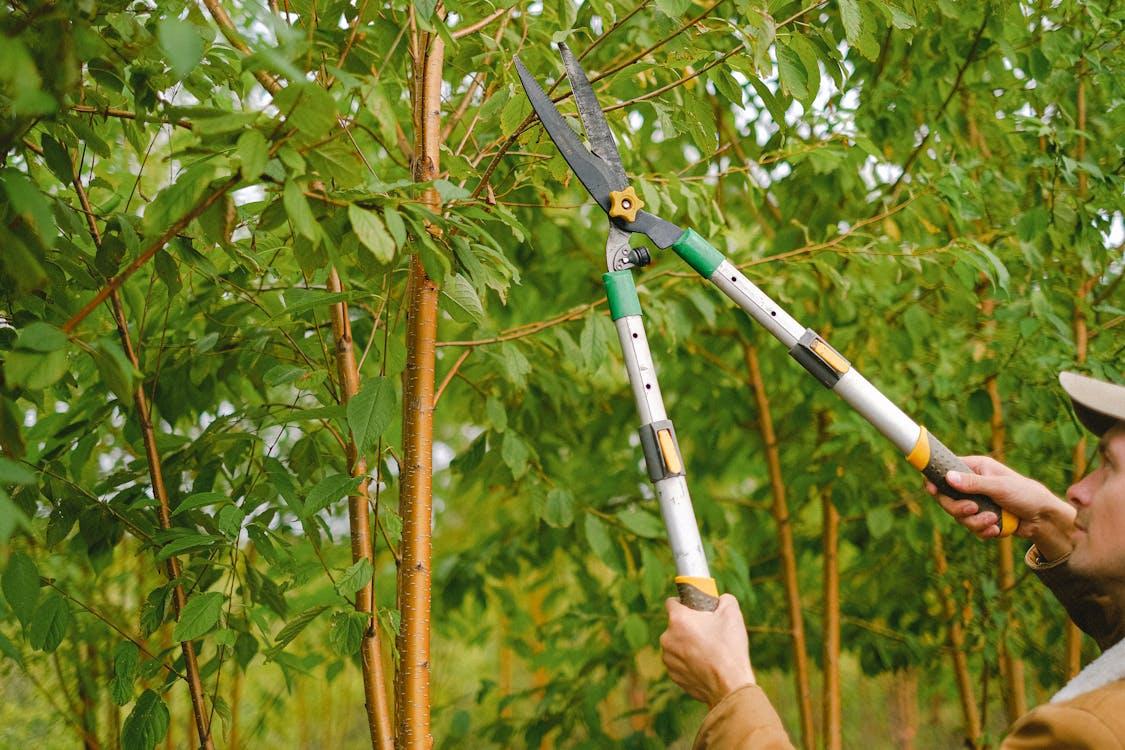
Successful pruning depends as much on technique as timing. Sharp, sanitized tools prevent plant damage and disease transmission. Essential tools include bypass pruners, loppers, and pruning saws for thicker branches.

Key best practices include:

  • Always cut just above a bud or branch junction
  • Avoid tearing bark or leaving long stubs
  • Disinfect tools between plants
  • Remove no more than one-third of growth at once

Gardeners preparing for seasonal work often visit a reliable source for gardening supplies near Riverhead, NY, to ensure tools are sharp and ready before spring arrives.

Common Late-Winter Pruning Mistakes

Even experienced gardeners occasionally prune too much or at the wrong time. Avoid these frequent issues:

  • Cutting spring-flowering shrubs too early
  • Over-pruning young plants
  • Ignoring dead or diseased branches
  • Pruning during extreme cold snaps

Following thoughtful pruning tips for Long Island landscapes helps maintain plant health while preserving natural shape and flowering potential.

Preparing Your Garden for Spring Success

Late-winter pruning is more than maintenance; it’s preparation. Once pruning is complete, gardeners can begin planning soil improvements, fertilization schedules, and seasonal planting layouts. Healthy structure now leads to stronger blooms, fuller foliage, and easier care throughout the growing season.

Many homeowners near Miller Place combine pruning with early garden cleanup, creating space for new plantings and refreshing beds ahead of spring. Consulting a knowledgeable garden expert near Miller Place or Riverhead can help gardeners decide which plants to divide, relocate, or replace for better seasonal balance.

Visit GardenWorx for Expert Pruning Guidance

For gardeners looking to apply the right techniques with confidence, GardenWorx offers expert support and seasonal resources. At our garden centers and nurseries, located near Riverhead and Miller Place, you can find hands-on guidance, quality tools, and carefully selected plants suited for Long Island conditions. Whether you need advice from a trusted plant expert, help choosing replacement shrubs, or dependable gardening supplies to prepare for spring, visiting GardenWorx is a smart first step toward healthier, better-shaped gardens that bloom beautifully all season long.

Winter Gardening Made Simple: Tips from Miller Place Experts

Winter may feel like the off-season for gardeners, but it’s actually the perfect time to give your outdoor space a little attention. With the right approach and a few smart habits, your garden can stay healthy and ready to burst into life come spring. Whether you’re maintaining flower beds, protecting perennials, or stocking up on essentials, following a few simple steps from local Miller Place gardening and plant experts can make all the difference.

1. Prep the Soil Before It Freezes

Healthy soil means healthy plants, even in the coldest months. Before the first frost hits, clear away fallen leaves, weeds, and dead plants. This prevents disease and pests from overwintering in your beds. Mix in compost or organic matter to enrich the soil, and top it off with mulch to lock in moisture.

If your garden includes raised beds, winter is a great time to cover them with burlap or row covers for extra insulation. This simple step helps maintain soil structure and keeps beneficial organisms alive through the chill. For extra protection, consider layering mulch with straw or shredded leaves, an eco-friendly way to recycle fall debris while feeding your soil naturally.

2. Protect Your Plants the Smart Way

Many Long Island gardeners make the mistake of thinking winter means neglect, but plants need protection even in dormancy. Apply mulch around shrubs and perennials to guard roots from extreme temperature swings. For more delicate plants, wrap them with breathable fabric to protect them from frostburn and harsh winds.

And don’t forget your containers — they can dry out faster than garden soil. Move pots to sheltered areas, water them lightly when the weather allows, and elevate them to prevent freezing on the bottom. A quick visit to local nurseries near Miller Place can help you find frost cloths, plant covers, and other protective gear that extend the life of your greenery through the season.

3. Clean and Care for Your Tools

Winter is the ideal time to give your gardening tools some extra care. Clean off dirt, sharpen blades, and oil metal parts to prevent rust. Store everything in a dry place so you’re ready for spring planting. Local garden centers near Miller Place often carry maintenance kits and tool organizers that help you stay prepared.

Taking care of your equipment now saves money in the long run, and nothing feels better than starting the season with clean, ready-to-use tools. It’s also a great time to organize your shed, label seed trays, and restock fertilizers so you’re not rushing when planting season begins.

4. Plan Ahead for Spring Success

Use the downtime of winter to plan your spring layout. Review what thrived last year and what didn’t, then decide which new flowers or vegetables you want to try. Consider color pairings, bloom times, and sun exposure when mapping out your beds.

If you’re unsure where to start, many gardening and plant experts near Miller Place offer winter workshops or consultations to help you create a garden that fits your vision and your soil. It’s also the perfect time to stock up on seeds, soil mixes, fertilizers, and garden décor before the busy season begins.

For beginners, planning ahead can mean saving both time and money. You’ll know exactly what supplies to grab and when to start planting once the weather warms up.

5. Feed the Birds and Pollinators

Even though most plants are dormant, wildlife still relies on your garden for food and shelter. Hang bird feeders and leave some seed heads intact to provide nutrition during the cold months. Keeping your garden ecosystem active year-round promotes better pollination and soil health when spring returns.

This small act not only supports local wildlife but also helps maintain a balanced garden environment that’s ready to thrive once temperatures rise again.

Keep Growing with GardenWorx

At GardenWorx, we make winter gardening simple, fun, and rewarding. Our gardening and plant experts are always here to help you choose the right soil treatments, winter protection materials, and gardening supplies to keep your beds thriving through the cold. Whether you need mulch, seasonal plants, or professional gardening advice, we’ve got everything you need to get a head start on spring.

How to Choose the Right Perennial Plants for Long Island Winters

If you live on Long Island, you know how unpredictable winters can be. One year brings mild cold and light snow, while the next can deliver icy winds and long freezes. That’s why choosing the right perennial plants for Long Island is key to keeping your garden beautiful season after season. The good news is that there are plenty of hardy plants that thrive in this climate and reward you with color, texture, and resilience year after year.

1. Understand Your Growing Zone

Long Island falls within USDA hardiness zones 6 and 7, meaning winter temperatures can dip as low as 0°F. Before choosing perennials, check your specific microclimate. Coastal areas tend to be milder than inland regions. Selecting plants rated for zones 6–7 or lower ensures they’ll withstand the cold and bounce back each spring.

2. Best Cold-Hardy Perennials for Long Island

Some plants are natural survivors that thrive even when temperatures drop. Here are a few reliable favorites that Miller Place gardeners often choose:

  • Hostas:A classic shade-loving plant that goes dormant in winter and reappears in spring with lush green leaves.
  • Daylilies:Known for their toughness, daylilies can handle Long Island winters with ease and burst into colorful blooms each summer.
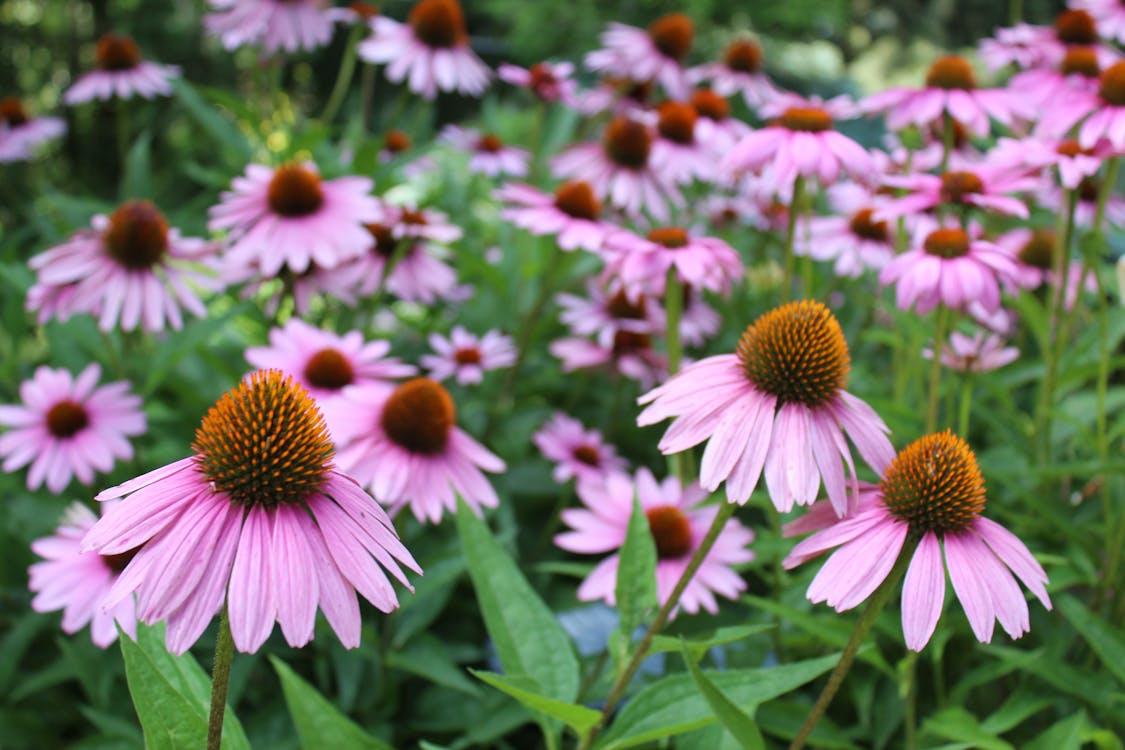
  • Coneflowers (Echinacea):These vibrant flowers not only add color but also attract pollinators. Their sturdy stems and deep roots help them survive frost.
  • Sedum (Stonecrop):A drought- and frost-resistant perennial with thick leaves and star-shaped flowers that last into fall.
  • Black-eyed Susans:These cheerful yellow flowers thrive in full sun and tolerate cold very well.
  • Peonies:Although they die back in winter, their roots store energy and produce stunning spring blooms.

Each of these perennials brings unique texture and color, ensuring your garden looks lively from early spring through fall.

3. Planting Tips for a Winter-Resilient Garden

The key to success with perennial plants on Long Island is proper planting and timing. Fall is often the best season to plant perennials because it allows roots to establish before the ground freezes. Plant in well-draining soil to prevent root rot, and add compost to boost nutrients.

Mulching is also essential. Spread a thick layer of mulch (about 2–3 inches) around your plants in late fall to insulate the roots from freezing temperatures. Just be sure not to pile it directly against the stems, as that can cause moisture buildup and disease.

If you live in a windy or exposed area, consider planting evergreens or shrubs as natural windbreaks to protect more delicate perennials.

4. Winter Care and Maintenance

Once frost sets in, stop fertilizing and watering your perennials as they enter dormancy. Trim back dead foliage after the first hard freeze, but leave about two inches of stem above the ground. This helps protect the plant’s crown from extreme cold.

During heavy snow, avoid walking over your garden beds since compacted soil can damage dormant roots. Come spring, remove any winter mulch and check for early shoots. With just a little preparation, your perennials will bounce back strong and healthy.

  1. Local Favorites and Nursery Tips

If you’re unsure which varieties will perform best, visit a local nursery near Miller Place or other Long Island garden centers. They often carry regionally tested perennials that are well adapted to local conditions. Local experts can recommend the right mix of color, height, and seasonal interest for your landscape.

You might also find special cold-hardy cultivars developed for the Northeast; ideal for gardeners who want low-maintenance plants that still pack plenty of personality.

Bring Year-Round Beauty to Your Garden with GardenWorx

Whether you’re a new gardener or a seasoned plant lover, choosing the right perennial plants for Long Island makes all the difference. Visit GardenWorx to explore a beautiful variety of hardy perennials, from coneflowers and sedums to peonies and daylilies. Our team can help you plan, plant, and protect your garden for the cold months ahead. Stop by our Miller Place garden center today or contact us now to get your garden ready to thrive all year long.

Sustainable Holiday Gardening: Eco-Friendly Ways to Decorate and Gift

The holidays are all about warmth, color, and togetherness, but they can also be a time of excess. From single-use décor to non-recyclable wrapping, the festive season can take a toll on the environment. Thankfully, there’s a greener, more sustainable way to celebrate; one that brings beauty to your home and life back to the planet.

Local gardeners near Riverhead and Miller Place, NY, are embracing sustainable holiday gardening as a way to make the season meaningful and mindful. Whether you’re gifting a potted plant, making your own wreath, or decorating with natural greenery, small changes can make a big difference.

1. Gift Plants That Keep on Giving

Instead of store-bought trinkets or plastic décor, consider giving something alive and lasting. Potted herbs, succulents, and small evergreens are thoughtful gifts that continue to grow long after the holidays end. Nurseries near Riverhead, NY, often stock seasonal favorites like poinsettias, amaryllis, and rosemary topiaries, all of which make stunning gifts that brighten both homes and hearts.

For an extra touch, you can personalize the pot with paint or ribbon made from natural fibers. Even better, choose biodegradable or recyclable packaging to reduce waste. A living plant gift reminds loved ones of your thoughtfulness all year long and encourages sustainable habits in their own homes.

2. Decorate with Nature’s Touch

When it comes to holiday décor, going natural adds warmth, fragrance, and timeless charm. Swap out synthetic garlands and plastic ornaments for real greenery like cedar, pine, or holly. These materials not only look better but also fill your space with that signature “holiday forest” scent.

Many garden centers near Riverhead, NY, offer a variety of fresh Christmas trees, custom wreaths, and evergreen garlands made from locally sourced foliage. Some even allow you to decorate your wreaths right in the shop; a fun, hands-on way to create something unique and sustainable.

When the holidays are over, composting your greenery keeps the cycle going—no landfill waste, just natural nutrients returning to the soil.

3. DIY Décor and Reusable Ideas

Sustainable holiday gardening doesn’t mean giving up creativity, it means rethinking it! For example, use pinecones, dried oranges, cinnamon sticks, and eucalyptus sprigs for natural ornaments. These can be composted or repurposed into potpourri afterward.

If you’re crafting table centerpieces, consider filling glass jars or bowls with soil, moss, and small plants instead of artificial snow and glitter. Once the season ends, move those plants outdoors or to a sunny windowsill.

Even your gift wrapping can be greener—use brown paper, twine, or reusable fabric wraps instead of shiny, non-recyclable paper. It’s a small shift that makes a big environmental impact.

4. Support Local Nurseries and Garden Centers

Shopping local is one of the best ways to make your holiday more sustainable. Buying your décor and plant gifts from nurseries near Riverhead, NY, not only supports your community but also ensures fresher, locally grown greenery that lasts longer.

Many local nurseries and garden centers near Riverhead, Greenport and Miller Place take pride in offering regionally sourced plants and handcrafted decorations. Some even host small community workshops during the holiday season, where families can make their own wreaths or learn tips for keeping their Christmas trees fresh.

By choosing local, you’re reducing the carbon footprint associated with shipping, while helping local growers thrive—a true win-win for you and the planet.

5. Give Back to Nature This Season

Holiday gardening can also include giving back to the environment. Plant a native tree or perennial in your yard as a way to offset holiday waste and celebrate new beginnings. It’s a thoughtful tradition to start each year, and a beautiful symbol of renewal and gratitude.

When the season ends, collect your pine needles and organic décor to use as mulch or compost. Nature gives us so much beauty during the holidays, it only makes sense to return the favor.

Bring the Holidays Home, the Green Way

For festive, eco-friendly décor that makes your home shine, visit GardenWorx, your trusted garden center near Riverhead and Miller Place, NY. From lush Christmas trees to handmade wreaths, garlands, and living plant gifts, we have everything you need to make your celebrations both beautiful and sustainable.

Our team can help you choose the perfect greenery for your space, create a custom wreath, or find a plant that makes the perfect gift. Contact GardenWorx today or stop by our garden center near Riverhead, NY to make your holidays merry, meaningful, and naturally bright.

From Frost to Flowers: Early Spring Prep You Can Start in Winter

While Long Island winters may seem like a time to pack up the gardening gloves, savvy gardeners near Miller Place know that spring success begins long before the first bloom. Beneath the frost, your garden is resting, but that doesn’t mean you should be idle. Winter is the perfect season for quiet preparation; tuning up your tools, feeding your soil, and planning your next burst of color.

Whether you’re an experienced gardener or just learning the ropes, early planning ensures your garden greets spring with healthy soil, happy plants, and a clear direction for growth.

1. Assess and Plan During the Cold Months

When the snow settles, it’s tempting to hibernate. But this downtime is ideal for reflection and planning. Take stock of what worked in your garden last year and what didn’t. Were your perennials thriving? Did your annuals struggle? Use this information to plan new layouts, choose better plant combinations, or experiment with native species suited to New York’s coastal conditions.

A little research now can help you select garden plants near Miller Place that handle temperature fluctuations and salt air, which is especially important for coastal gardens. Winter is also a great time to browse catalogs or visit garden centers to start dreaming about your spring lineup.

2. Prepare Your Tools Before Spring Rush

Cold weather is ideal for tool care. Clean, sharpen, and oil everything before spring growth kicks in. This simple maintenance not only extends the life of your tools but also makes your first planting days easier and more enjoyable.

If you’re unsure what’s worth repairing or replacing, local garden experts near Miller Place often share practical advice on maintaining pruning shears, shovels, and other essentials. They can also guide you toward ergonomic, durable options that fit your garden’s needs.

Having your tools ready before March saves you from last-minute frustration when the soil finally softens and the urge to dig returns.

3. Get a Head Start on Soil Health

While the ground may be too cold to dig deeply, improving soil health starts now. Begin by removing any debris, dead leaves, or diseased plant matter that might have been missed in the fall cleanup. These can harbor pests and fungi that resurface in spring.

Once the soil is clear, add a layer of organic compost or leaf mulch to insulate and enrich it. This not only protects beneficial microbes through winter but also ensures a nutrient boost when the soil warms up.

If you live near Riverhead or Miller Place, where winter temperatures often dip into the 20s and 30s, this organic blanket also helps prevent frost heaving, when soil expands and contracts, pushing plants out of the ground.

Early soil care means fewer weeds, healthier roots, and stronger growth once spring arrives.

4. Prune and Protect for Future Growth

Late winter, typically February into early March on Long Island, is prime time for pruning many trees and shrubs. When done correctly, pruning removes dead or damaged branches and stimulates new growth as temperatures rise.

Focus on deciduous shrubs and fruit trees, but avoid pruning spring-blooming plants like lilacs or azaleas until after they flower. Trimming them too early could reduce your seasonal display.

For tender perennials, add extra mulch or use breathable frost covers for protection during deep cold snaps. Simple steps like these safeguard your investment and set the stage for vigorous blooms come April.

5. Start Seeds Indoors for a Jump on Spring

For gardeners who can’t wait to see green again, seed-starting offers the perfect winter project. Around late February, start cold-tolerant vegetables and flowers indoors under grow lights. This gives you strong, healthy seedlings ready to transplant once frost danger passes.

Herbs like basil, parsley, and thyme also thrive indoors, adding fresh flavor to your winter cooking. Local plant experts near Miller Place often recommend using organic seed-starting mixes and small pots that allow roots to develop evenly.

By the time outdoor planting season begins, your seedlings will be eager to transition to the garden beds you’ve so carefully prepared.

6. Visit Local Garden Centers for Guidance

Whether you’re choosing fertilizers, exploring new plant varieties, or picking up fresh tools, winter is the perfect time to visit local garden centers for advice. The experts there understand Long Island’s specific soil and climate challenges, from sandy coastal plots to rich inland loam.

Many garden centers near Miller Place, NY, also offer winter workshops and Q&A sessions to help gardeners plan ahead for early spring success. Connecting with these communities not only boosts your skills but keeps your gardening spirit alive through the colder months.

Prepare for Spring with GardenWorx

If you’re eager to transform winter planning into spring growth, GardenWorx is here to help. As a trusted garden center for Miller Place enthusiasts, we provide personalized gardening advice, soil care guidance, and high-quality plants grown locally on Long Island. Over 70% of our inventory is cultivated right here in Long Island, ensuring strength, health, and beauty in every plant.

From expert insights on gardening supplies in Miller Place, NY, to community-driven workshops and seasonal inspiration, GardenWorx supports gardeners at every step of their growing journey.

Winter Color Without the Chill: Cold-Season Blooms That Brighten Riverhead Gardens

Winter in New York doesn’t have to mean dull landscapes or empty flower beds. Gardeners near Riverhead know that when the temperature drops, the garden’s beauty simply changes form. From resilient evergreens to vibrant winter-blooming flowers, there are endless ways to keep your outdoor space cheerful and full of life.

It’s all about embracing the rhythm of the seasons and understanding that color and texture can thrive even when the frost sets in. With the right mix of perennial plants, smart soil care, and creative arrangements, your garden can be just as charming in January as it is in June.

1. Winter-Ready Plants That Bring the Cheer

When the first frost appears, most blooms retreat, but some plants are built for this moment. Hellebores, also known as Christmas roses, burst into soft pinks, whites, and purples right in the middle of winter. Camellias and winter jasmine are other cold-hardy favorites that brighten up even the grayest days.

For gardeners near Riverhead, winterberry holly is a must. Its bright red berries look stunning against bare branches and provide food for local birds; a win for both beauty and biodiversity. And don’t underestimate pansies and violas—their cheerful faces often peek through a dusting of snow, proving that winter gardening can be both tough and beautiful.

For structure and greenery, ornamental cabbages, evergreen shrubs, and junipers keep things fresh while adding contrast to colorful blooms. Together, they create layers of interest that carry your garden through the cold months.

2. Layer and Plan for Four-Season Beauty

One of the secrets to a thriving garden near Riverhead is layering. Think of your garden as a living painting. Mixing heights, textures, and colors ensures it never looks flat or lifeless. Pair evergreen shrubs with pops of color from flowering perennials, and plant bulbs that will bloom in early spring to bridge the seasons.

For example, combine hellebores with low-growing ivy for a rich green base, then add pops of red from winterberry. By thinking ahead in fall, you can set your garden up to bloom gradually through late winter and into spring.

Maintaining healthy soil is also key for year-round gardening. Using compost and mulch keeps the ground insulated and nourished, ensuring your perennial plants near Riverhead stay healthy beneath the surface while they rest for spring.

3. Bring the Color Indoors

If your outdoor garden is tucked under snow, you can still enjoy nature’s beauty indoors. Many garden centers near Riverhead, NY, offer plants perfect for winter interiors like Christmas cactus, amaryllis, and cyclamen. These indoor blooms add vibrant color to windowsills and tabletops, keeping the spirit of gardening alive all season long.

A few evergreen branches in a vase or small potted herbs in the kitchen can also do wonders for your space. Not only do they smell amazing, but they also remind you that life keeps growing, even in the quietest months of the year.

4. Smart Winter Gardening Tips for Riverhead Weather

Gardening in a New York winter comes with its challenges, but a few simple habits make all the difference. Before the frost hits, add mulch to your beds to protect roots and retain moisture. Water sparingly during cold spells; plants need less hydration when they’re dormant.

If an extreme freeze is on the way, cover delicate plants with burlap or frost cloths. For perennials, prune any dead or damaged branches in late winter to encourage strong spring growth. And don’t forget your containers—cluster them together near the house for added warmth and protection.

Winter is also the perfect time for reflection and planning. Take notes on what thrived last year and what didn’t, browse new plant varieties, and sketch ideas for next season’s garden design. Your seasonal gardening near Riverhead can evolve beautifully when you use winter as a time to prepare.

5. Color, Comfort, and Connection, All Year Long

Even in the cold, your garden has stories to tell. The quiet beauty of a frosty hellebore, the brilliant red of winterberry against white snow, or the soft green of juniper needles all bring warmth and joy to your outdoor space.

With a little creativity and care, you can transform your Riverhead garden into a colorful retreat that celebrates the magic of every season.

Keep Your Garden Glowing All Season Long

At GardenWorx, we believe every garden deserves to shine, even in winter. Our garden experts near Riverhead can help you choose hardy perennials, winter blooms, and evergreens that thrive in local conditions. Whether you’re layering textures, planning ahead for spring, or simply refreshing your space, our garden center near Riverhead has the plants, supplies, and advice you need.

The Joy of Indoor Gardening: Winter Plants That Thrive Inside

When the world outside turns gray and frosty, bringing a touch of green indoors can make all the difference. Indoor gardening isn’t just about decoration; it’s about nurturing life through the cold months and creating a space that feels alive, peaceful, and bright.

For those who love gardening but miss the color and vibrancy of spring, winter is the perfect time to explore indoor plants that thrive in cooler weather. With the right selections and care, your living room, kitchen, or even bathroom can become a mini oasis of growth and beauty.

1. Why Indoor Gardening Matters in Winter

Shorter days and lower temperatures often mean less outdoor activity, but that doesn’t have to stop your gardening passion. Indoor gardening provides a connection to nature year-round and helps improve air quality, reduce stress, and enhance mood, something every home could use during the colder months.

For many homeowners near Riverhead and Miller Place, cultivating houseplants has become a joyful winter ritual. It’s an easy way to keep that green-thumb energy flowing even when the garden outside is resting.

2. The Best Indoor Plants for Winter

Not all plants can handle winter’s chill, but several varieties thrive indoors when cared for properly. Here are a few favorites that make cold-weather gardening easy and rewarding.

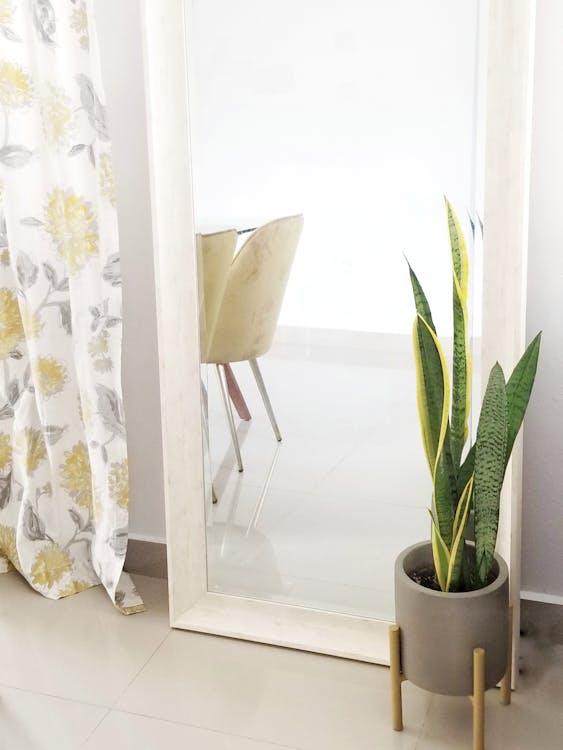
Snake Plant – A low-maintenance classic, the snake plant tolerates low light and irregular watering. Its upright leaves add structure and style to any space.

Peace Lily – Known for its elegant white blooms, the peace lily loves indirect light and helps purify indoor air, a double win for cozy winter homes.

Spider Plant – With its playful arching leaves and easy propagation, the spider plant is perfect for beginners and adds cheerful greenery to shelves and hanging baskets.

Pothos – A resilient favorite that thrives even with minimal attention. Its trailing vines can brighten up bookshelves or window sills effortlessly.

Aloe Vera – Beyond its soothing gel, aloe adds sculptural beauty to your space and thrives in sunny spots with minimal watering.

For those looking to bring in a bit of color, winter-flowering plants like amaryllis or Christmas cactus can provide bursts of seasonal brightness.

3. Creating the Perfect Indoor Environment

The secret to successful indoor gardening lies in understanding light, temperature, and humidity. During winter, sunlight is limited, so placing plants near bright windows or using grow lights can make a big difference.

Humidity often drops due to indoor heating, which can dry out plant leaves. Grouping plants together or using a humidifier helps maintain moisture in the air. Regular misting also keeps foliage fresh and prevents browning.

Soil care is equally important. Choose well-draining potting mixes and avoid overwatering; roots are more prone to rot in cool, damp soil. With just a little attention, garden plants near Riverhead can thrive indoors all winter long.

4. Making Indoor Gardening Part of Your Routine

Winter is also a great time to slow down and enjoy the rhythm of plant care. Dust leaves, prune lightly, and check for signs of new growth. Watching plants respond to even minimal winter light can be surprisingly rewarding.

For those looking to deepen their knowledge, seeking gardening advice near Riverhead from local plant experts can help you learn about seasonal plant rotations, soil health, and light management. Many local garden centers also host workshops where you can explore new indoor gardening techniques and connect with a like-minded community of plant lovers.

5. Bringing Nature Home, One Plant at a Time

Adding greenery indoors doesn’t just brighten a room; it transforms how a space feels. It brings energy, life, and color into long winter days. Whether you’re arranging a tabletop garden, hanging plants from ceiling hooks, or simply keeping a few pots on your windowsill, indoor gardening offers joy that lasts far beyond the holidays.

Bring Home the Joy with GardenWorx

Ready to fill your home with the warmth of green life this winter? Visit GardenWorx, your trusted garden center near Riverhead, for fresh indoor plants, seasonal gardening supplies, and expert advice from passionate plant lovers. Over 70% of our inventory is grown right here on Long Island, ensuring every plant is healthy, vibrant, and built to thrive.

Our friendly team loves helping customers choose the right houseplants, learn about indoor plant care, and discover easy ways to grow through every season. Whether you’re just getting started or refreshing your home for winter, we’re here to make it fun, inspiring, and simple.

Stop by our garden center near Riverhead or contact us today to explore our latest indoor plant collection and discover how a little greenery can bring joy to your winter days.

Festive Plants That Brighten Your Home During the Holidays

The holiday season brings with it a special kind of magic: twinkling lights, cozy gatherings, and the comforting scent of fresh greenery. Among the many ways to celebrate, decorating with holiday plants remains a timeless tradition. Whether it’s the deep red leaves of a poinsettia or the delicate blooms of a Christmas cactus, these festive favorites add natural warmth and color to every home.

Here are some of the most popular plants that can transform your living space into a cheerful winter wonderland.

1. Poinsettias: The Classic Holiday Favorite

Few plants capture the spirit of the holidays quite like the poinsettia. With its vibrant red, pink, or white bracts, it’s the star of many seasonal displays. Easy to care for and long-lasting, poinsettias bring instant festive charm to any room.

When choosing poinsettias in Riverhead, look for plants with bright, firm leaves and tightly clustered buds at the center. Keep them in a warm, well-lit area away from cold drafts, and water only when the top of the soil feels dry.

With proper care, these colorful beauties can last long after the holidays are over, serving as a cheerful reminder of the season’s warmth.

2. Christmas Cactus: A Blooming Surprise

Another holiday plant favorite, the Christmas cactus (also known as the holiday cactus), adds a unique touch of elegance to winter decor. Known for its graceful arching stems and brightly colored blossoms, this tropical succulent thrives indoors and can live for decades.

Unlike desert cacti, it prefers humidity and indirect light. Keep the soil evenly moist and add a little fertilizer during the growing season. In return, it will reward you with a stunning cascade of pink, coral, or red blooms, just in time for the holidays.

Many nurseries near Riverhead, NY, offer Christmas cacti as part of their seasonal plant collections, and they make excellent gifts for anyone who loves houseplants that return year after year.

3. Amaryllis: The Drama of Winter Blooms

If you’re looking to make a statement, amaryllis is the plant to choose. Its tall stalks and trumpet-shaped flowers add sophistication and color to any setting. Available in shades of red, white, pink, and even striped varieties, amaryllis is perfect for tabletops, mantels, or entryway décor.

To grow amaryllis indoors, start with a firm, healthy bulb. Plant it in a pot filled with well-draining soil, water lightly, and place it in a bright spot. Within weeks, you’ll have towering stems and breathtaking blooms that last well into the new year.

The amaryllis is not only a festive showstopper but also a symbol of strength and beauty, qualities that make it an ideal centerpiece for the season.

4. Evergreen Arrangements: Nature’s Fragrance of the Season

For those who love traditional holiday greenery, fresh evergreen arrangements are a must. Crafted from fir, pine, and cedar, these arrangements bring the crisp scent of the outdoors inside. They can be styled as wreaths, garlands, or tabletop displays to complement your seasonal décor.

Adding pinecones, holly, and berries enhances the texture and color, creating a natural yet elegant look. Whether you prefer a rustic charm or a polished design, evergreen décor never goes out of style. Many garden centers near Riverhead even offer workshops where you can learn to create your own arrangements—a fun, hands-on way to get into the holiday spirit.

5. Creating a Living Holiday Display

Combining these plants is an easy way to make your home feel festive and inviting. Mix the classic reds of poinsettias with the vibrant blooms of amaryllis for a dramatic display, or pair a Christmas cactus with evergreen sprigs for a more natural touch.

Adding living plants to your holiday decor not only enhances the aesthetic but also improves indoor air quality and boosts your mood during the darker winter months. Whether you prefer simple arrangements or bold, colorful displays, seasonal plants bring warmth and life to every corner of your home.

Bring the Holiday Magic Home

Ready to add natural beauty to your home this holiday season? Visit GardenWorx, your trusted garden center near Riverhead, for festive holiday plants, evergreen arrangements, and expert advice on caring for your holiday decor. Contact us today to learn more or stop by our garden center to explore our vibrant collection of holiday plants!