
When planning a garden, it is easy to fall in love with individual plants. You see a colorful perennial, a striking shrub, or an interesting groundcover and imagine it in your yard.
But a beautiful garden depends on more than individual plants. The strongest planting designs consider how every plant works with the others.
Thinking in layers can help you create a garden with structure, movement, texture, and seasonal interest. Instead of asking, “ Which plant should I add next? ” start by asking, “ How should this entire space look and function? ”
A thoughtful approach, combined with guidance from a garden expert near Miller Place, can help turn individual plant choices into a cohesive landscape.
Start With Structure
Structure gives a garden its foundation. Before choosing flowers, consider the shapes and heights that will define the planting area.
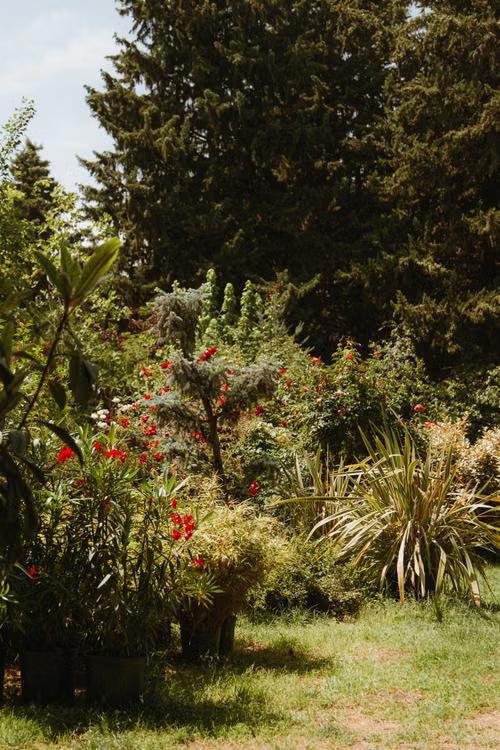
Large shrubs and small trees can create a strong upper layer. Mid-sized shrubs and flowering plants can fill the middle. Lower plants and groundcovers can occupy the space closest to the soil.
This approach prevents a common problem: placing plants randomly and hoping they eventually look balanced.
Consider how the garden will look from different viewpoints. A taller plant might provide a backdrop for shorter garden plants, while a spreading groundcover can soften the edge of a pathway.
Structure also helps the garden remain visually interesting after seasonal flowers have faded.
Build Around Seasonal Color
Color is one of the easiest ways to create visual impact, but timing matters. A garden that looks spectacular for two weeks can feel empty for the rest of the year if everything blooms simultaneously.
Think about succession instead. Select plants that flower at different points throughout the growing season.
For example, early bloomers can provide color in spring. Perennial plants can carry that interest into summer, while later-blooming varieties can keep the garden active toward fall.
This is where seasonal gardening becomes especially useful. Rather than designing around one favorite month, consider how the planting area will change from spring through fall.
Use Texture to Add Depth
Color gets attention, but texture keeps the eye moving.
Combine plants with different leaf shapes, sizes, and surfaces. Fine-textured foliage can contrast with broad leaves. Upright plants can stand against softer, spreading forms.
You can also use foliage to maintain interest between flowering periods.
For instance, a garden might combine bold ornamental leaves with delicate grasses and low-growing groundcovers. Each plant contributes something different without competing for attention.
A plant expert can also help you consider how mature foliage will affect the overall composition. A plant that looks small at the nursery may eventually occupy several feet of garden space.
Create Vertical Interest
Not every garden needs to be flat.
Vertical elements draw the eye upward and can make a planting area feel larger. Trees, shrubs, ornamental grasses, trellised plants, and other upright forms can all contribute height.
The key is balance. Too many tall plants can block shorter varieties, while too few can leave the garden looking visually flat.
Think about vertical layers much like arranging furniture in a room. Every element needs enough space to be noticed while still contributing to the larger design.
Give Groundcover a Purpose
Groundcover is often treated as an afterthought. Yet these low-growing plants can connect the different layers of a garden.
They can soften hard edges, cover exposed soil, and create a visual transition between taller plants and pathways.
Groundcover can also help prevent a planting bed from looking disconnected. Instead of having isolated clusters of flowers, the lower layer can visually tie the entire composition together.
When selecting garden plants, consider how their mature size and growth habit will interact with neighboring plants.
Plan for Transitions
A successful garden should guide the eye naturally from one area to another.
Transitions can happen between different heights, colors, textures, and planting zones.
A gradual change usually feels more cohesive than an abrupt shift.
For example, tall shrubs can transition into medium-height flowering plants before reaching low groundcover near a walkway. Repeating a particular plant or foliage texture throughout the bed can also connect separate areas.
This principle works whether you are creating a new planting bed or improving an established landscape.
Choose Plants as a Group
Once you understand the layers, plant selection becomes easier.
Instead of choosing one plant at a time, create groups based on the role each plant will play. Ask questions such as:
What provides the tallest structure?
Which plants create the middle layer?
What fills the lower level?
When will each plant flower?
Which foliage remains attractive outside the blooming period?
How will the planting look at maturity?
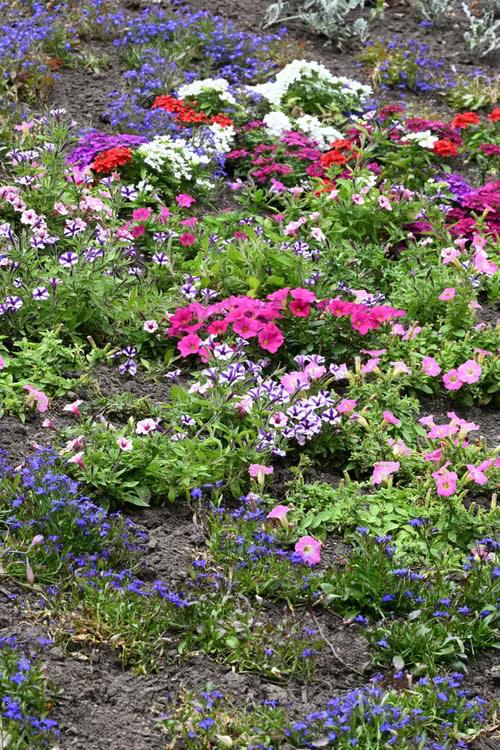
This method can also make annual gardening more intentional. Annuals can provide seasonal color while permanent plants establish the garden’s underlying structure.
Think Beyond the Planting Bed
A layered approach should also consider the surrounding space.
Paths, patios, containers, fences, walls, and other landscape features can influence how a planting area feels. Plants can soften hard surfaces, frame entrances, or create a transition between outdoor spaces.
When choosing gardening supplies, think about the larger project rather than buying items individually. The right materials can support planting, maintenance, and the overall design.
A nursery near Miller Place can also be a useful place to compare plant sizes, foliage textures, and mature growth habits before making selections.
Build a Garden That Changes With Time
Gardens are living designs. They change as plants grow, bloom, spread, and respond to the seasons.
That makes planning especially important. A planting bed should have enough room for plants to reach their mature size without crowding neighboring varieties.
With the right gardening advice, you can make choices based on the garden you want several seasons from now, rather than only what looks attractive on planting day.
GardenWorx helps gardeners think through these decisions with practical horticultural guidance. Whether you are refreshing an existing bed or starting from scratch, considering the whole planting area can lead to more cohesive results.
Design the Whole Garden, Not Just the Next Plant
The next time you visit a garden center near Miller Place, resist the urge to choose plants individually. Start by thinking about the space as a complete composition.
Look at height, texture, color, bloom timing, foliage, and transitions. Consider what will happen as each plant matures. Then choose plants that support the overall design.
A knowledgeable garden expert can help you evaluate these factors and develop a planting approach suited to your space.
Ready to plan your next garden project? Explore the garden center for inspiration, discover gardening supplies and seasonal resources, or contact GardenWorx for guidance on your planting plans.