
When a plant looks weak, pale, or smaller than expected, fertilizer may seem like the obvious answer. Before reaching for gardening supplies near Riverhead, however, take time to determine what is actually limiting growth. Plants need more than nutrients.
Light, water, drainage, soil conditions, pests, and disease can all affect performance, and adding fertilizer to the wrong problem may create additional stress.
Check the Light First
Start by observing how much sunlight reaches the planting area throughout the day.
Some plants need several hours of direct sun, while others perform better with filtered light or shade. A plant receiving too little light may grow slowly, produce fewer flowers, or develop weak, stretched stems.
Changes in nearby trees, fences, buildings, or seasonal sun angles can alter conditions after a plant has already been established. Before buying a product, compare the plant’s light needs with what the location actually provides.
Review Watering Habits
Too little water can cause wilting, dry leaves, slow growth, and premature leaf drop.
Too much water can create similar symptoms because saturated roots may struggle to absorb oxygen. Check the soil several inches below the surface instead of judging moisture only by appearance.
Watering frequency should also reflect weather, plant type, container size, and soil.
A fixed schedule may provide too much water during rainy periods or too little during hot, dry weather.
Look at Drainage and Soil
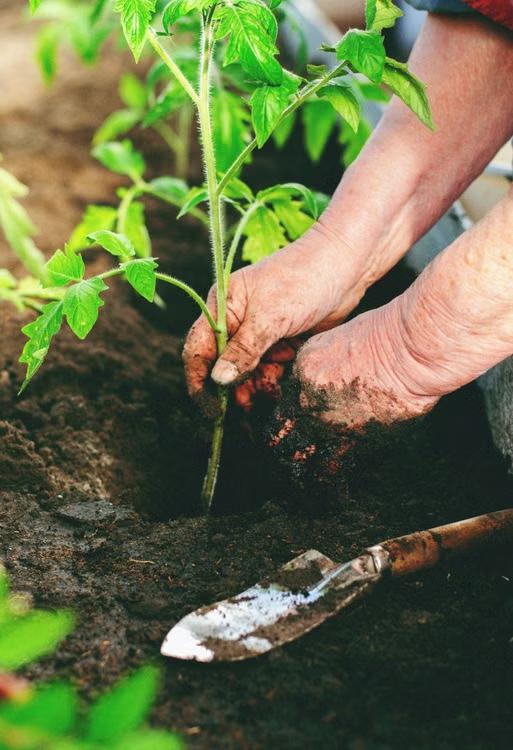
Poor drainage can keep roots stressed even when watering seems reasonable. Watch for standing water after rain, persistently soggy soil, or areas where plants repeatedly decline. Compacted soil can also restrict roots and reduce air movement around them.
Soil conditions matter beyond drainage. Very sandy soil may lose water quickly, while heavy soil can hold moisture longer. Soil testing can provide useful information about pH and nutrient levels before you add amendments or fertilizer. This helps prevent unnecessary applications and makes it easier to choose products that address an identified need.
Inspect for Pests
Insects and other pests can cause yellowing, holes, distorted leaves, stunted growth, and premature decline. Check the undersides of leaves, stems, and new growth for visible insects, eggs, webbing, or other signs.
Do not automatically treat every blemish as a pest problem. Some leaf damage is cosmetic, while other symptoms may point to environmental stress. Identifying the cause first helps you choose the right treatment instead of applying a product the plant doesn’t need.
Consider Disease
Fungal, bacterial, and other plant diseases can produce spots, discoloration, wilting, dieback, and unusual growth. Look for patterns across several plants and note whether symptoms appear on new or older growth.
Good sanitation, proper spacing, suitable watering practices, and improved air circulation can sometimes reduce disease pressure. If symptoms continue or spread
quickly, expert guidance can help distinguish disease from nutrient deficiencies or other problems.
Choose Supplies Based on Evidence
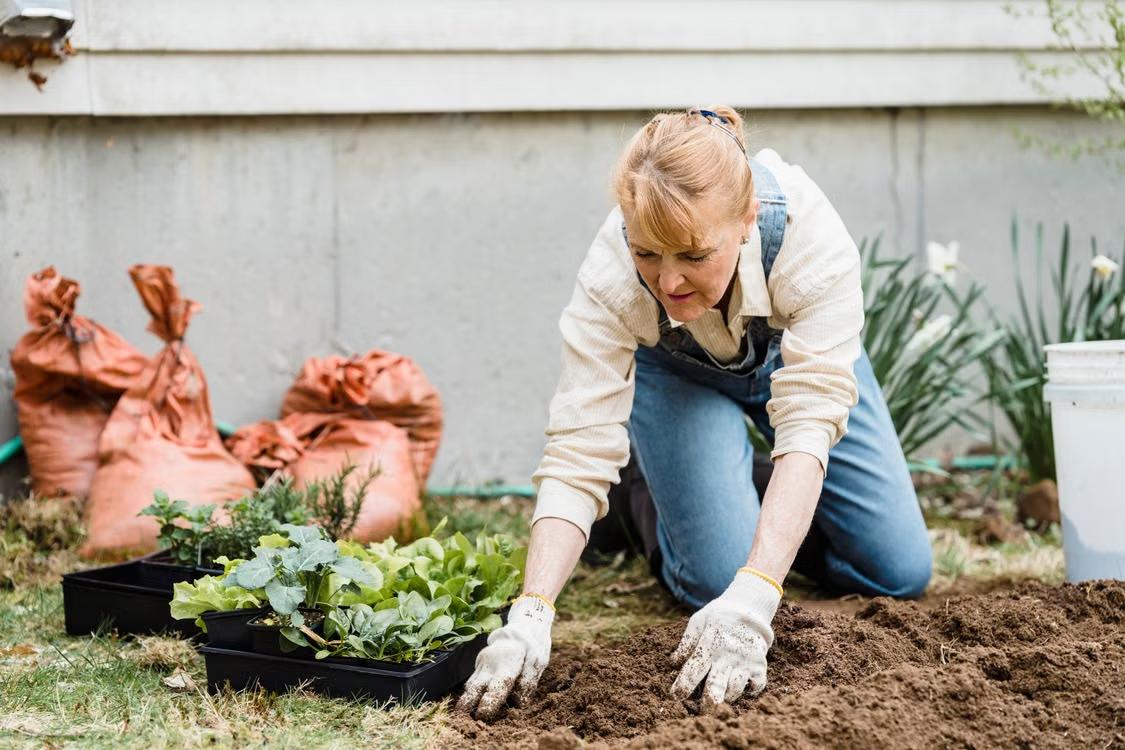
Once you have identified the likely cause, you can decide which products make sense.
Fertilizer is appropriate when a nutrient deficiency or known nutrient requirement supports its use. Soil amendments may be more useful when pH, structure, or organic matter needs attention. Pest or disease treatments should match the identified issue and be used according to their labels.
When shopping, compare product ingredients, application rates, plant compatibility, and timing rather than choosing based only on a broad claim. Keep records of what you apply and when. This makes future diagnosis easier and reduces repeated or unnecessary treatments.
A simple notebook can help: record planting dates, weather patterns, watering changes, visible symptoms, and product applications. Over time, these notes can reveal recurring conditions and make decisions more informed, instead of treating symptoms separately each season later.
Know When to Ask for Help
Some problems are easy to correct, but persistent decline can have several causes at once. If symptoms affect multiple plants, return each season, spread rapidly, or remain after basic care changes, professional input may save time and prevent wasted purchases.
A useful diagnosis begins with observation. Check light, moisture, drainage, soil, pests, and disease before deciding that fertilizer is needed. Thoughtful gardening advice can help homeowners make better choices about plant care, while a garden expert can offer practical guidance when symptoms are difficult to identify. Choosing garden plants near Riverhead suited to the site can also prevent many problems before they begin. GardenWorx can help you assess your garden and select practical solutions with greater confidence. Explore the garden center and contact us today.