We’re Currently Closed — Reopening on April 18!

We will reopen for the holiday season.

Fall Decorating with Live Plants – Tips from a Plant Expert Serving Riverhead

Autumn in Riverhead offers crisp air, golden light, and the perfect excuse to refresh your home and garden. A plant expert serving Riverhead, NY, can guide you toward live plant décor that matches the season’s beauty. With the right choices, you can bring warmth and vibrancy to your spaces, both indoors and outdoors.

Below, we share fresh, festive, and easy ideas to make your home shine this fall using garden plants in Riverhead, NY.

Fall Decorating Tips with Live Plants

1. Bring Autumn Colors Indoors

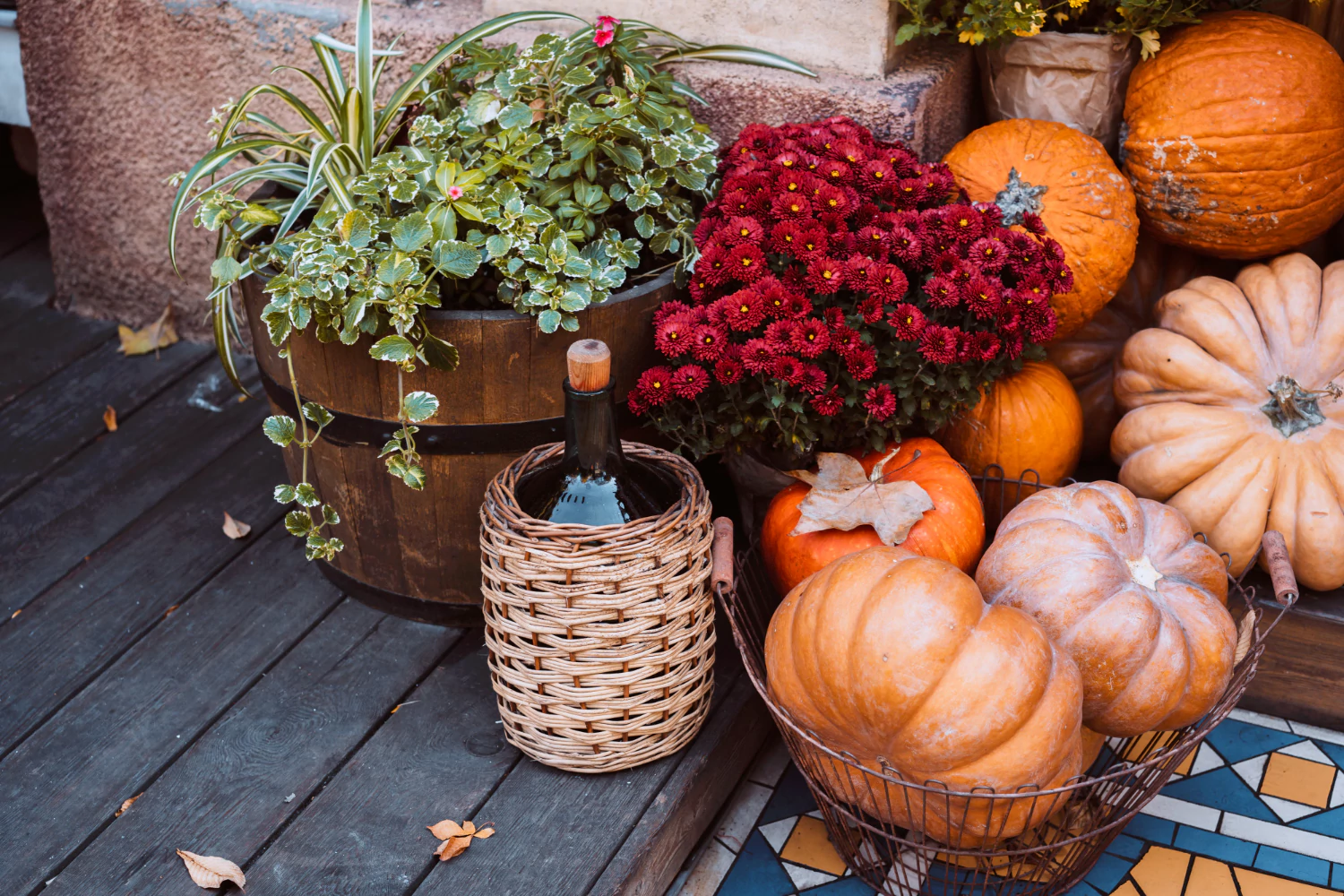
Fall decorating starts with color. Choose plants that match the season’s palette—deep reds, burnt oranges, golden yellows, and rich greens. Chrysanthemums, crotons, and ornamental peppers are ideal for a pop of seasonal charm.

Arrange them in decorative pots, rustic baskets, or ceramic planters. Place them on coffee tables, mantels, or windowsills. A garden expert in Riverhead can recommend which varieties thrive best in local homes as the weather cools.

2. Create a Welcoming Entryway

Your front porch sets the tone for the season. Mix tall potted grasses with low seasonal blooms for contrast. Add pumpkins and gourds to the base of your displays for texture.

You can also plant cold-hardy kale or pansies in outdoor pots. They can handle the early frosts common in seasonal gardening. Layer different heights to create a natural, overflowing look that feels inviting.

3. Use Live Centerpieces for Gatherings

Skip artificial décor for your fall table. A mix of miniature potted herbs, mums, or kalanchoe makes a beautiful, fragrant centerpiece. Arrange them in a wooden tray with pinecones and small candles for added warmth.

This approach works well for both indoor dining and outdoor gatherings. The bonus? You can replant the herbs or flowers after the season ends, keeping your garden plants in Riverhead thriving for months.

4. Layer Texture and Height in Plant Displays

A flat arrangement can look dull. Add life by mixing plants of different textures and heights. Pair smooth-leaf plants with fuzzy or feathery varieties. Combine tall ornamental grasses with low-growing sedums.

This layering works well in containers, garden beds, and even indoor displays. With the right gardening advice in Riverhead, NY, you can choose plant pairings that complement each other in growth habits and colors.

5. Take Advantage of Seasonal Bloomers

Fall is the season for certain plants to truly shine. Look for asters, goldenrod, and hardy mums at garden centers near you. These plants are not just decorative—they also attract pollinators, keeping your garden lively before winter.

A plant expert can help you plan a planting schedule so you enjoy blooms deep into the season. That way, your garden looks vibrant while your neighbors’ beds start to fade.

6. Add Plants to Outdoor Living Spaces

Your deck or patio can remain a cozy spot well into fall. Use large planters with autumn-hued blooms to frame seating areas. Incorporate potted evergreens for a lasting backdrop.

Don’t forget lighting—string lights or lanterns paired with your plants create an intimate setting for crisp evenings outside. This is a core part of seasonal gardening—blending plants with lifestyle spaces for maximum enjoyment.

7. Choose Plants That Transition Well into Winter

Smart fall decorating means thinking ahead. Select plants that can adapt to cooler months or be brought indoors when frost hits.

Ferns, rosemary, and certain succulents are great for this. You can enjoy them outdoors now and move them inside later. A garden expert in Riverhead, NY, can guide you on which plants survive the shift best without losing their charm.

8. Keep Plant Care Simple but Consistent

Fall plants may need less water, but they still require attention. Check soil moisture before watering. Remove dead leaves to keep displays fresh. Rotate indoor plants weekly so they grow evenly.

With proper care, your garden plants in Riverhead, NY, will last the entire season, ensuring your décor stays lively from September through November.

Ready to Transform Your Space This Fall?

At GardenWorx, we love helping our neighbors bring their fall decorating ideas to life. Our garden center is full of unique seasonal plants—most grown right here by our team. We’ll guide you in choosing the perfect plants for your Riverhead home, inside and out.

Stop by and see how we can help you create warm, welcoming spaces this season. Let’s make this autumn your most beautiful yet. Call now.

Why Local Garden Centers Are Your Best Resource for Planting Advice

Whether you’re sowing your first seeds or planning a full landscape transformation, gardening can feel overwhelming without the right guidance. While online resources and social media offer inspiration, they often lack accuracy for your specific location. That’s why consulting your local garden center in Riverhead or Miller Place offers the most valuable support. These centers are staffed with experts who understand your local climate, soil, and seasonal cycles—ensuring you get results, not frustration.

The Value of Region-Specific Gardening Knowledge

Planting decisions should always reflect the specific conditions of your area. Long Island’s East End, for example, has a unique mix of maritime climate and sandy soils, which affects drainage and nutrient retention. A nursery in Riverhead will know what thrives in these conditions and what won’t.

Local experts don’t just provide plant names—they’ll give you tailored strategies for sun exposure, watering schedules, and pest control suited to USDA zone. That’s a major advantage over generic advice found online.

Soil Testing and Custom Amendments

One of the most overlooked steps in gardening is soil testing. Before planting, it’s crucial to understand the pH balance, organic matter content, and compaction level of your soil. A visit to a nursery in Miller Place can give you access to soil test kits, professional interpretation, and recommendations for specific amendments like compost, lime, or gypsum.

Local garden professionals can explain how to improve sandy or clay-heavy soil and guide you in layering techniques that promote strong root development and water retention. These adjustments are especially important when growing perennial plants where long-term soil health determines plant longevity.

Combatting Local Pests and Disease Naturally

Riverhead and Miller Place gardeners deal with unique pests—like boxwood leaf miners and powdery mildew—that are often absent from national gardening guides. A garden expert will help you spot early signs of infestation and recommend low-impact, region-appropriate solutions, such as introducing beneficial insects or using horticultural oils.

Instead of over-relying on chemical sprays, local centers often promote integrated pest management (IPM), a sustainable approach that maintains plant health without harming pollinators or the broader ecosystem.

Seasonal Planting Guidance You Can Rely On

Planting calendars vary widely due to microclimates affecting frost dates, rainfall patterns, humidity, and soil conditions. Local experts use real-time data such as soil temperature, moisture levels, and phenological cues to determine optimal planting times. This precise information helps gardeners avoid frost damage for cold-tolerant vegetables, align summer annuals with peak heat and daylight, and ensure fall bulbs receive adequate chilling for vernalization. By relying on up-to-date environmental monitoring rather than generalized averages, growers can improve crop success, optimize growth cycles, and better adapt to shifting weather patterns and local microclimates.

So, with proper timing advice, your annual gardening in Riverhead can yield vibrant color all season without replanting or midseason disappointment.

Advanced Gardening Practices for Enthusiasts

For experienced gardeners ready to level up, local centers offer hands-on help with techniques like succession planting, vertical gardening, and xeriscaping (drought-tolerant design). Visiting a garden center in Miller Place can also introduce you to less common strategies like hügelkultur beds (raised mounds that retain moisture) or dynamic companion planting for natural pest resistance.

These advanced approaches not only increase your yield and reduce labor but also promote biodiversity and ecological health in your yard.

Better Plant Selection Through Local Sources

One key benefit of shopping local is the quality of the plants themselves. Many plants at a plant nursery in Riverhead, NY are propagated and grown on-site or sourced from local growers, which means they’re already adapted to local light, moisture, and disease conditions.

This drastically improves survival rates after transplanting. You’ll also find regionally native species—essential for supporting pollinators and minimizing watering needs—that big-box stores don’t stock.

Sustainable Gardening with Local Guidance

Sustainable gardening is a commitment to responsible, eco-friendly practices. Local experts guide the selection of organic soils, biodegradable containers, efficient irrigation, and safe pest management. They emphasize crop rotation and attracting beneficial insects to foster a balanced ecosystem. Many also provide education on composting, rainwater harvesting, and renewable energy solutions like solar greenhouse kits. These strategies help reduce waste, conserve resources, and promote soil health, enabling gardeners to create resilient, and self-sustaining gardens.

Looking for trusted garden center advice?

GardenWorx is your local partner in sustainable gardening success. Whether you’re planning a complete redesign, starting from seed, or just looking for reliable gardening supplies, our knowledgeable staff is here to help you grow smarter. Visit our nurseries in Riverhead NY or Miller Place location today to speak with experts who live and garden in your community.

Best Companion Planting Strategies to Boost Growth and Deter Pests

Successful gardening isn’t just about planting flowers and vegetables and hoping for the best—it’s about strategy. Companion planting is an age-old technique that enhances nutrient absorption, naturally deters pests, and improves overall plant health. When done correctly, certain plants work together, creating a balanced ecosystem that benefits the entire garden.

Whether you’re an experienced gardener or browsing a plant nursery for new additions, these methods can help maximize your garden’s potential. Visit a garden center to find the right plants to pair together for optimal growth.

The Best Companion Planting Combinations

Understanding which plants support each other is the key to making companion planting work. Some combinations improve soil health, while others act as natural pest repellents. Here are some of the most effective pairings:

  1. Tomatoes & Basil
  • Why It Works: Basil repels mosquitoes and flies while enhancing the flavor of tomatoes.
  • Additional Benefit: Helps deter hornworms and aphids that attack tomato plants.
  1. Carrots & Onions
  • Why It Works: Onions naturally repel carrot flies, while carrots keep onion flies at bay.
  • Additional Benefit: Saves space in the garden by interplanting two root vegetables with different growth patterns.
  1. Corn & Beans & Squash (The Three Sisters)
  • Why It Works: Corn provides natural support for beans to climb, beans fix nitrogen in the soil, and squash suppresses weeds.
  • Additional Benefit: A time-tested Native American planting strategy that maximizes soil fertility and plant health.
  1. Cucumbers & Radishes
  • Why It Works: Radishes repel cucumber beetles, protecting the cucumber vines.
  • Additional Benefit: Radishes mature quickly, making space for cucumbers to thrive later in the season.
  1. Peppers & Marigolds
  • Why It Works: Marigolds produce a scent that repels aphids, nematodes, and beetles from attacking peppers.
  • Additional Benefit: The bright marigold flowers attract beneficial pollinators, increasing fruit production.

Plants That Should Never Be Planted Together

Just as some plants support each other, others compete for nutrients or attract harmful pests when placed too closely. Here are a few pairings to avoid:

  • Tomatoes & Cabbage: Tomatoes stunt cabbage growth by depleting soil nutrients.
  • Carrots & Dill: Dill attracts carrot-loving pests and can inhibit carrot growth.
  • Onions & Beans: Onions release chemicals that prevent beans from properly fixing nitrogen in the soil.

Maximize Your Garden’s Potential with Companion Planting

Companion planting isn’t just about increasing yields—it’s about creating a garden that naturally protects itself. Whether you’re growing vegetables, herbs, or flowers, strategic plant pairings lead to healthier, more resilient plants while reducing reliance on chemical pesticides and fertilizers. If you need guidance, many nurseries offer insights into the best plant combinations for your specific needs.

Optimize Your Garden with GardenWorx

At GardenWorx, we’re passionate about helping you create a thriving, sustainable garden with proven strategies like companion planting. Our expert plant expert can guide you in selecting the best plant pairings, ensuring healthier growth and natural pest protection. Whether you need gardening supplies, gardening advice, or premium plants, we’ve got you covered.

Contact GardenWorx, your trusted garden center in Miller Place, New York, and let’s grow something amazing together.

Soil Health 101: How to Test, Improve, and Nourish Your Garden Beds

Healthy soil is the foundation of any thriving garden. Without the right balance of nutrients, organic matter, and proper structure, plants struggle to grow, leading to poor yields and weak roots. Testing and improving your soil ensures your garden remains productive year after year.

Whether you’re a seasoned gardener or visiting a plant nursery for fresh additions, maintaining soil health is key to long-term gardening success. A reliable garden center can provide the right tools and amendments to keep your soil in top shape.

How to Test Your Soil

A soil test provides critical insight into pH levels, nutrient content, and organic matter. Testing is especially important before planting, as it allows gardeners to correct imbalances early. Follow these steps for accurate results:

  • Take Soil Samples: Use a clean trowel to collect soil from multiple areas of your garden, mixing samples together for an accurate reading.
  • Use a Soil Test Kit: Available at nurseries, these kits analyze pH, nitrogen, phosphorus, and potassium levels.
  • Send for Professional Testing: For a detailed analysis, send your sample to a local agricultural extension service. The Cornell Cooperative Extension of Suffolk County provides soil testing tailored to New York gardeners.
  • Interpret the Results: Based on the findings, adjust your soil using targeted amendments.

A soil quality test is an essential step in understanding what your garden needs to thrive. By analyzing the nutrients and composition, you can make informed decisions about how to improve fertility and plant health.

Improving Soil Fertility

Once you understand your soil’s condition, the next step is to enrich it. Healthy soil should be rich in organic matter, retain moisture, and support beneficial microbes. Here’s how to improve it:

1. Add Organic Matter

Incorporating organic material is one of the most effective ways to boost soil health.

  • Compost: Increases nutrient content and enhances soil structure.
  • Manure: Provides nitrogen but should be aged to prevent burning plants.
  • Leaf Mold: Improves moisture retention and aeration.

2. Maintain the Right pH Balance

Soil in New York tends to be slightly acidic. If your soil’s pH is below 6.0, apply lime to raise it.

If it’s too alkaline (above 7.5), use sulfur to lower the pH and improve nutrient absorption.

3. Enhance Soil Structure

  • Aerate compacted soil with a garden fork to improve drainage and root penetration.
  • Mulch with wood chips or straw to protect soil from erosion and retain moisture.
  • Plant cover crops like clover or rye in off-seasons to replenish nutrients and prevent soil depletion.

4. Rotate Crops and Avoid Overworking the Soil

  • Rotate vegetable crops yearly to prevent soil nutrient depletion and reduce disease risks.
  • Avoid excessive tilling, as it disrupts beneficial soil organisms and depletes moisture.

Build Stronger Soil with GardenWorx

At GardenWorx, we know that great gardens start with healthy soil. Whether you need expert gardening advice, premium compost, or high-quality gardening supplies, we have everything to help you enrich your garden beds. If you’re searching for the best perennial plants, expert guidance from a plant expert, or a trusted Riverhead garden center, our team is ready to assist you.

Visit us in Riverhead, New York, or Contact us today to start improving your soil health!

Plan Ahead: Designing Your Spring Garden Layout for Maximum Growth

As spring approaches, it’s time to start thinking about your garden layout. Planning your spring garden early can ensure that your plants thrive and bloom to their full potential. A well-designed garden isn’t just about picking the right plants; it’s about arranging them thoughtfully to allow for proper growth. Here’s some gardening advice to help you design a spring garden layout that maximizes the health and productivity of your plants.

1. Understand Your Space

Before choosing your plants, it’s essential to assess the space you have available. Measure the area where you plan to plant. This will give you a clear idea of how much room you have for each plant and how you can organize them. Consider the sun exposure in different parts of your garden. Some plants thrive in full sun, while others do better in partial or full shade. By identifying these areas early, you can place your plants where they’ll get the light they need.

2. Consider Plant Height and Spacing

When planning your garden layout, it’s important to take into account the mature size of each plant. Taller plants should be placed at the back of the garden or in the center if your garden is viewable from all sides. This ensures they won’t overshadow smaller plants. Pay attention to the spacing requirements for each plant as well. Overcrowding can lead to poor airflow, which can encourage disease and stunt growth. Be sure to read the spacing recommendations for each plant and plan accordingly.

3. Choose Plants Based on Soil Conditions

Not all plants thrive in the same soil conditions. Some prefer well-drained, sandy soil, while others grow best in heavier, clay soil. Assess your soil type and choose plants that match these conditions. If your soil isn’t ideal for certain plants, you may need to amend it with compost or other soil enhancers. A good garden design includes a healthy soil foundation, which allows your plants to grow strong roots and stay healthy throughout the season.

4. Plan for Companion Planting

Certain plants grow better when placed near others, while some should be kept apart. Companion planting is a technique where you plant certain species next to each other to promote healthy growth and protect against pests. For example, planting basil near tomatoes can help deter pests and improve flavor. Make sure to research companion plants for your specific garden to help boost productivity and reduce the need for chemical pesticides.

5. Consider Planting in Layers

Layering your garden is an effective way to make the most of your space and create a visually appealing layout. You can plant taller plants, like sunflowers or corn, toward the back or center, with shorter plants in front. If you’re working with a raised bed or a small garden, using vertical gardening techniques like trellises or cages can give your plants the space they need to grow upward instead of outward.

Start Planning for a Successful Spring Garden

Whether you’re seeking perennial plants or need gardening supplies in Miller Place or Riverhead, our knowledgeable team at GardenWorx is here to provide the guidance you need. As your trusted Miller Place garden center, we offer expert gardening advice, a wide selection of garden plants, and a range of seasonal gardening options in both Miller Place and Riverhead. Visit us today at our plant nursery in Miller Place, NY or Riverhead garden center for the best local plants and supplies, and let us help you create the garden of your dreams!

Get Ahead of the Game: Spring Gardening Tools to Look for Now

Spring is just around the corner, and it’s the perfect time to start preparing for your garden’s big comeback. Whether you’re a seasoned green thumb or a newbie looking to get your hands dirty, having the right tools on hand can make all the difference. Let’s dive into the essential gardening supplies you’ll want to have ready for gardening in spring.

1. Trusty Gardening Gloves

First things first, protect your hands! A good pair of gardening gloves is non-negotiable. Look for ones that fit snugly, are breathable, and provide a good grip. Gloves with reinforced fingertips are great for handling tougher tasks like pulling weeds or working with thorny plants.

2. A Durable Trowel

A trowel is a small hand tool every gardener needs. It’s perfect for planting, transplanting, and digging in tight spaces. When shopping, choose one with a sturdy metal blade and a comfortable handle to avoid hand fatigue. Bonus points if it has measurement markings for planting bulbs!

3. Pruners for Precision

Spring is all about fresh growth, but it’s also the time to trim away the old to make room for the new. Pruners (also called hand shears) are ideal for trimming back dead branches and shaping your plants. Opt for bypass pruners for clean cuts that are gentle on plant stems.

4. A Reliable Rake

Once the snow melts, your garden may need a good clean-up. A sturdy rake will help you gather leaves, twigs, and other debris that accumulated over winter. For tight corners and flower beds, a hand rake or adjustable rake is a lifesaver.

5. Garden Hoe

If you’re planting vegetables or flowers this spring, a garden hoe is your best friend. It’s great for breaking up soil, removing weeds, and creating neat rows for planting. There are different types, but a basic draw hoe works well for most home gardeners.

6. Watering Can or Hose

Spring showers might not always be enough to keep your garden hydrated. A watering can with a detachable spout is excellent for precision watering, especially for delicate seedlings. If you’re working with a larger space, invest in a lightweight garden hose with adjustable spray settings.

7. Wheelbarrow or Garden Cart

Transporting soil, mulch, or tools across your garden is much easier with a wheelbarrow or garden cart. Choose one that’s easy to maneuver and has a sturdy base for stability. Trust us—your back will thank you.

8. Gardening Kneeler or Cushion

Spending hours tending to your garden can take a toll on your knees. A soft gardening kneeler or cushion will make weeding and planting much more comfortable. Some even double as a small seat!

Getting your tools ready now means you’ll be all set to hit the ground running when spring arrives. Gardening in spring is all about preparation and excitement for new growth.

With the right tools in hand, you’re guaranteed a season full of thriving plants and blooming flowers.

Ready to kickstart your spring gardening journey? Visit Garden Worx, your trusted garden center and nursery in Miller Place, for all the tools, plants, and advice you need!

Our plant experts are here to guide you every step of the way, so your garden thrives this season. Call now and start preparing for your garden.

Creating a Wildlife-Friendly Winter Garden: Tips for Supporting Local Animals

Winter doesn’t mean your garden has to go into hibernation! Creating a winter garden that supports local wildlife is a rewarding way to keep your outdoor space alive and thriving during the colder months.

Winter-flowering plants, such as winter jasmine and hellebores, provide a valuable food source for pollinators during winter days. Its nectar is only beneficial to pollinators during warm spells in winter.

With a little planning, you can provide birds, bees, and other critters with food and shelter with your garden plants to help them survive winter while adding natural beauty to your garden.

Provide Food for Winter Wildlife

Food is scarce for many animals during winter, so your garden can become a haven for hungry wildlife. Here are some easy ways to help:

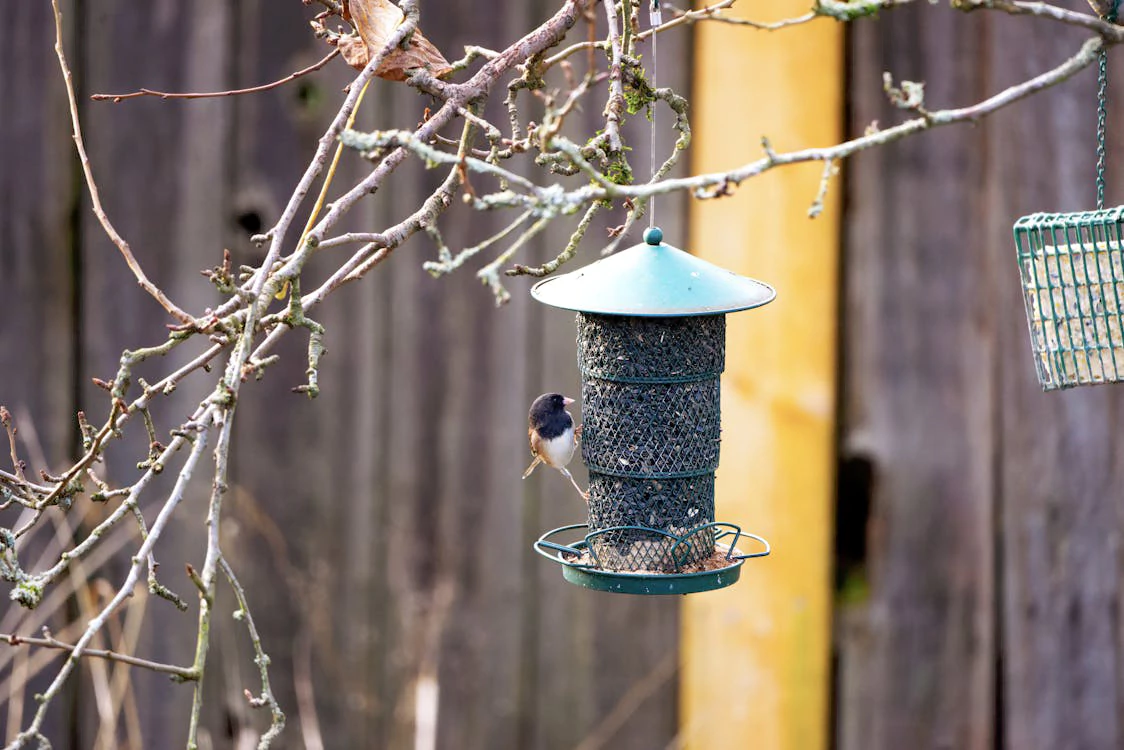
  • Bird Feeders: Set up feeders with seeds, suet, and nuts to attract local birds. Hang them in visible spots and keep them filled throughout the season.
  • Native Plants: Grow garden plants that produce winter berries, like holly or viburnum. These can be a lifesaver for birds when other food sources are gone.
  • Leftover Seeds: If you still have flowers like sunflowers or coneflowers standing, leave them be! Their seeds can feed birds and small mammals.

Create Shelter and Warmth

Wildlife needs a safe place to stay during harsh weather. You can create cozy spots in your winter garden without much effort.

  • Log Piles: Stack logs or branches in a corner of your garden. These provide shelter for small animals, insects, and even frogs.
  • Evergreens: Planting evergreen shrubs or trees offers year-round cover for birds and small creatures to nest and hide.
  • Bee Hotels: Solitary bees may hibernate during winter. A bee hotel or undisturbed piles of leaves are great resting spots for them.

Offer a Water Source

Water can be hard to find during winter when ponds and puddles freeze over. Adding a water source to your winter garden can help wildlife stay hydrated.

  • Birdbaths: Use a shallow birdbath with fresh water. In freezing temperatures, add a small floating ball to keep the surface from icing over completely.
  • Unfrozen Ponds: If you have a garden pond, keep part of it ice-free by adding a floating heater or an aerator. This will also help fish and amphibians.

Add Plants That Thrive in Winter

Some plants continue to shine even in the cold, offering beauty and resources for wildlife.

  • Winter-Flowering Plants: Plants like winter jasmine and hellebores provide nectar for pollinators on milder days.
  • Grasses and Shrubs: Leave ornamental grasses and shrubs intact rather than trimming them back. They offer seeds and shelter to wildlife.

Avoid Using Chemicals

Skip the pesticides and herbicides in your winter garden. These chemicals can harm wildlife and disrupt their natural food sources. Instead, let nature take its course.

Creating a winter garden isn’t just about helping wildlife—it also brings life and activity to your yard during an otherwise quiet season. Watching birds flock to your feeders or spotting a squirrel darting through the trees can brighten even the coldest day.

Want to create a wildlife-friendly winter garden? Visit Garden Worx, your trusted plant nursery in Riverhead, New York! From garden plants to gardening supplies, we have everything you need to support local wildlife during winter.

Let our garden experts help you make your garden a winter haven for birds, bees, and more. Call now for more information.

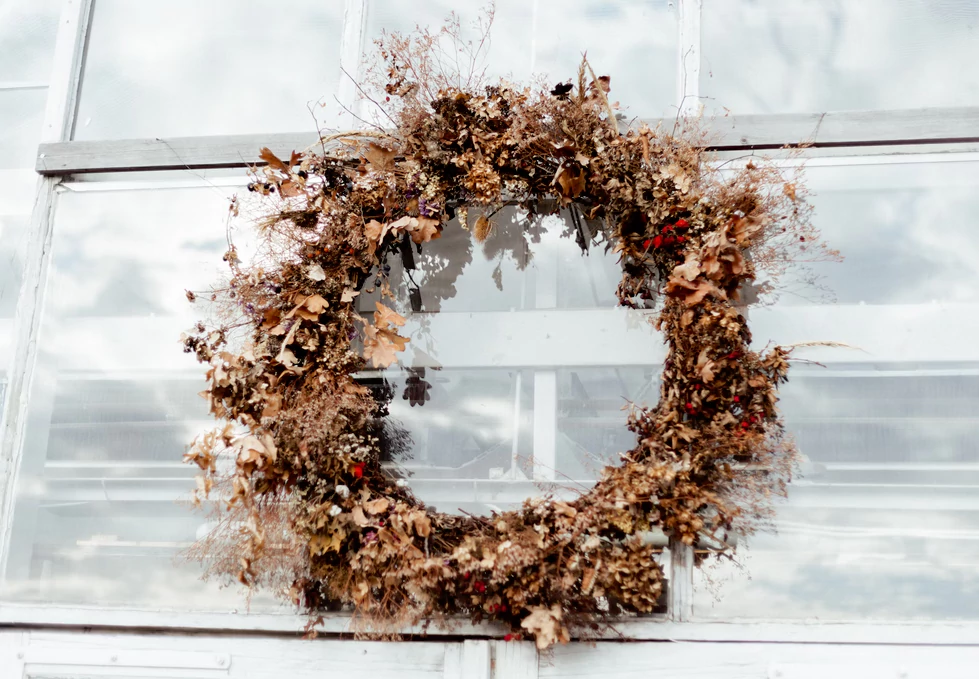
DIY Wreath Ideas: Creative Plants to Craft Stunning Décor

Discover how to craft DIY wreaths using greenery and unique accents to create timeless home décor.

Looking to add a personal touch to your home décor? DIY wreaths are a fantastic way to blend creativity and nature, turning simple garden plants and greenery into stunning, unique decorations. Whether you’re a seasoned DIYer or just starting out, crafting your own wreath is a fun and rewarding way to express your style.

Start with the Perfect Base

The first step in making DIY wreaths is selecting the right base. You can find ready-made wire or foam bases at craft stores or your local nurseries, or you can create one using grapevines, flexible branches, or even repurposed materials. Your base will set the tone and size for your design.

Classic Greenery for Timeless Appeal

Greenery is a staple for any wreath, offering texture and a touch of natural beauty. Opt for sturdy, long-lasting plants like ivy, ferns, or even olive branches for a timeless look. Layer the greens around your base, securing them with floral wire to create a lush foundation.

Add a Pop of Color with Seasonal Blooms

For a burst of color, include fresh or dried flowers that complement your theme. Perennial favorites like hydrangeas, lavender, or daisies can add charm and vibrancy to your design. Changing up the flowers based on the season keeps your wreath relevant year-round.

Incorporate Unique Accents

Take your wreath to the next level by adding unique accents like seed pods, feathers, or dried fruit slices. These elements can add texture and interest, creating a design that feels one-of-a-kind. Experiment with materials you already have around the house for a personal touch.

Eucalyptus for Elegance

Eucalyptus is a favorite for its soft, silvery-green tones and calming scent. Incorporating eucalyptus into your wreath brings a fresh and elegant look, whether it’s used alone or paired with other plants. It’s available fresh or dried, making it a versatile choice.

Add Texture with Pinecones and Branches

For an organic feel, include pinecones, twigs, or even bark pieces. These natural elements add depth and texture to your design, making the wreath feel earthy and grounded. Use hot glue or floral wire to attach them securely to the base.

Experiment with Ribbons and Fabric

Ribbons or strips of fabric can be used to tie your wreath together visually. Wrap a wide ribbon around the base or tie a bold bow to add a decorative touch. Choose colors and patterns that suit your décor for a cohesive look.

Make It Personal with Small Ornaments

Customize your wreath by adding small items that reflect your personality, like miniature figurines, beads, or even vintage jewelry pieces. This is a great way to make your design truly unique.

Crafting your own DIY wreaths is a satisfying project that allows you to unleash your creativity and bring a natural touch to your home. Whether you’re designing for your front door, a gallery wall, or a centerpiece, a handmade wreath adds charm and character to any space.

Ready to get started on your DIY wreath project? Visit Garden Worx, your trusted garden center in Riverhead. From fresh greenery to perennial plants and essential gardening supplies, our plant experts are here to help you create a masterpiece. Contact us today.

Creating a Butterfly and Bee-Friendly Garden on Long Island

Nestled in the scenic community of Miller Place, our nursery, GardenWorx, is at the forefront of a blossoming movement towards environmental consciousness—something as delightful and vivid as the very gardens we help nurture. In a world where the flutter of butterfly wings is becoming a rarer delight and the buzz of busy bees is growing fainter, our resolve to support these essential pollinators has never been stronger.

Our blog today flutters through the vibrant hopes of reviving butterfly and bee populations by guiding you, the passionate gardeners and devoted environmentalists of Long Island, on how to cultivate a sanctuary for these irreplaceable beings in your own backyards.

Understanding the Role of Pollinators

Butterflies and bees are not only marvels of nature but are also steadfast workers that pollinate our plants, ensuring a thriving ecosystem and a rich harvest. Alarming statistics indicate a severe decline in their populations, a situation detrimental to our planet’s health. By inviting these pollinators into our gardens, we foster biodiversity and support the intricate web of life that sustains us.

Choosing the Right Plants

The secret to a flourishing pollinator haven lies in selecting the right foliage. Here’s a list of native Long Island botanicals that are as alluring to butterflies and bees as they are to the human eye:

  • Milkweed (Asclepias spp.): A lifeline for the monarch butterflies’ larval stages.
  • Coneflowers (Echinacea spp.): Charming petals with cone-shaped centers, a favorite among winged visitors.
  • Bee Balm (Monarda): Aromatic leaves and vibrant blooms, irresistible to bees.
  • Lavender (Lavandula): With its calming scent, it’s a bee magnet.
  • Goldenrod (Solidago spp.): A late-season bloomer that ensures an autumnal feast for pollinators.
  • Sunflowers (Helianthus annuus): Their large discs provide ample landing space and plenty of pollen and nectar.

To ensure that your garden hosts a buzz of activity throughout the seasons, thoughtfully intersperse these plants to have something in bloom from spring’s first thaw to the chill of fall.

Creating the Ideal Habitat

Beyond the beauty of flowers, a true refuge for butterflies and bees incorporates essential elements:

  • Sun-soaked Spaces: Pollinators are sun-lovers at heart; ensure sections of your garden bask in full glory.
  • Water Features: From pebble-filled shallow dishes to inviting birdbaths, make hydration a decorative statement.
  • Natural Shelter: Integrate trees, shrubs, and even logs for creatures to rest and seek protection from the elements.

Most importantly, pledge to protect these gentle visitors by forsaking pesticides and herbicides. After all, what is a sanctuary if not a place of safety?

Designing Your Garden

Imagine a landscape where vibrant colors wave in the breeze at different heights, presenting an inviting tableau to airborne wanderers. Consider varying bloom times to create a staggered symphony of blossoms. Structures like trellises and fences serve dually as plant supports and additional habitat nooks—incorporate them with both utility and aesthetics in mind.

Maintaining Your Garden

The essence of a sustainable garden is the philosophy of nurturing while preserving. This encompasses practices like mulching to retain soil moisture, composting to enrich the earth naturally, and mindful pruning to shape your haven’s contours. Regularly patrol for pests and diseases, but remember—tolerance and balance are keys to sustainability.

Additional Tips and Resources

Enrich your quest by joining local gardening clubs for camaraderie and shared wisdom. Want personalized advice and a selection of the best plants for pollinators? Visit us at GardenWorx. For those inclined towards further learning, countless online portals and books are dedicated to the art of pollinator gardening.

Conclusion

To set upon the path of creating a butterfly and bee-friendly garden is to choose hope and action in equal measure. A single plot of land can serve as a catalyst for change, providing food and habitat for our planet’s tireless pollinators. We invite you to involvedly engage with your passion for gardening by planning and planting a space that buzzes with life and purpose—and we’re here at GardenWorx whenever you need us.

Whether you’re crafting a grand backyard butterfly paradise or integrating bee-friendly plants into your existing green space, you manifest a shared vision of a future that honors and protects the natural world. And for that, both humanity and pollinators alike are in your debt.

Remember, every garden counts, and every flower planted is a step closer to restoration. With your help, the wings of butterflies and the hum of bees will remain not just vestiges of memories but enduring symbols of our commitment to the earth.

Top 10 Rose Varieties Perfect for Long Island Gardens

Roses captivate with their beauty and fragrance, luring gardeners to weave them into their landscapes. Long Island, with its temperate maritime climate and unique soil conditions, presents a buffet of opportunities for rose enthusiasts. This article serves as a concise guide to the top rose varieties that thrive on Long Island, offering an infusion of color and charisma to your garden haven.

Understanding Long Island’s Gardening Conditions

Nestled in southeastern New York, Long Island’s weather patterns and sandy soil set the stage for a diverse range of flora. Gardeners here are graced with:

  • Temperatures: Warm, humid summers and notably cold winters, defining a growing season from late April to early October.
  • Soil: A sandy canvas that demands enrichment for increased fertility and moisture conservation.
  • Local Flora: Roses reign alongside hydrangeas, azaleas, and robust native plants that salute the regional climate.

Criteria for Selecting Rose Varieties

Selecting roses for Long Island gardens leans on several criteria. The ideal candidates are:

  • Disease Resistant: To stand strong against humid-induced ailments.
  • Low Maintenance: Tailored for those who prefer to enjoy rather than toil.
  • Aesthetics: Consider color, size, and fragrance when creating your garden tableau.
  • Persistent Bloomers: For an evolving display from spring to fall.

Top 10 Rose Varieties for Long Island Gardens

1. Knock Out Roses

A champion in resilience and display with a low-maintenance pedigree—expect vibrant colors, continuous blooms, and formidable disease resistance.

2. Double Delight

Spellbinding bi-color petals and an intoxicating aroma make this rose a garden centerpiece.

3. New Dawn

Clambering stems and a promise of perpetual blossoms embody this choice for vertical beauty.

4. Peace Rose

Large blooms adorned with historical resonance and striking in their perfumed, colorful splendor.

5. Zephirine Drouhin

A rose sans thorns, perfect for less sun-drenched spots, and marked by its powerful fragrance.

6. Bonica

A hardy rose painting the garden with ceaseless blushing flowers.

7. Mister Lincoln

Deep red roses that scream classic elegance, tailor-made for gardeners keen on curating a cutting garden.

8. Julia Child

This golden culinary namesake flourishes with buttery blooms resistant to common rose ailments.

9. Eden Climber

An exhibit of large, romantic blooms sure to enrich any trellis or wall.

10. David Austin’s English Roses

Vintage allure meets modern vigor, capturing hearts with their varied hues and profound fragrances

Planting and Care Tips for Long Island Roses

Cultivating roses on Long Island demands specificity:

  • Planting: Spring or fall planting syncs with favorable weather, forming robust roots.
  • Soil Prep: Amp up the sandy base with organic matter for a nutrient-rich bed.
  • Watering and Fertilization: Consistent hydration and nutrients are keys to happy roses.
  • Pruning: Not just an art, but a necessity for blooms that keep coming back.

Common Pests and Diseases in Long Island Gardens

Awareness and vigilance against local pests and diseases ensure your roses remain pristine. Deer, rabbit interference, and fungal foes call for strategic gardening—including the choice of disease-resistant varieties.

Conclusion

This curated list of roses is tailored for Long Island’s distinct environment. They promise to infuse your garden with life and vigor. We recommend visiting us at GardenWorx in Miller Place, NY, where you can deepen your understanding and nurse your garden dreams into full blossom.

Remember, it’s the hand that nurtures the garden that often blossoms the most. May your Long Island garden overflow with the unmatched beauty of these ten rose varieties!