
Fall does not have to mark the end of an attractive garden. Once flowers fade, many plants still offer texture, shape, movement, and color that can carry a landscape into winter.
Before buying anything new, take a closer look at what is already growing. Seed heads, dried flowers, ornamental grasses, evergreen foliage, and interesting bark can all contribute to a garden that feels intentional long after peak bloom.
At GardenWorx, we encourage gardeners to evaluate the whole landscape before adding more plants. A thoughtful approach can reveal winter interest that was already there.
Start With Seed Heads and Dried Flowers
Some plants become more interesting after flowering. Seed heads can add distinctive shapes against the winter landscape, while dried flower clusters can provide structure and texture.
Instead of cutting everything back as soon as blooms fade, walk through the garden and identify plants that still have strong forms. Coneflower seed heads, for example, can stand upright after flowering. Ornamental alliums can also leave behind rounded seed structures that add visual interest.
Dried flowers can also create subtle movement when wind passes through a planting bed. Their muted colors may contrast beautifully with evergreen foliage or dark branches.
Let Ornamental Grasses Keep Moving
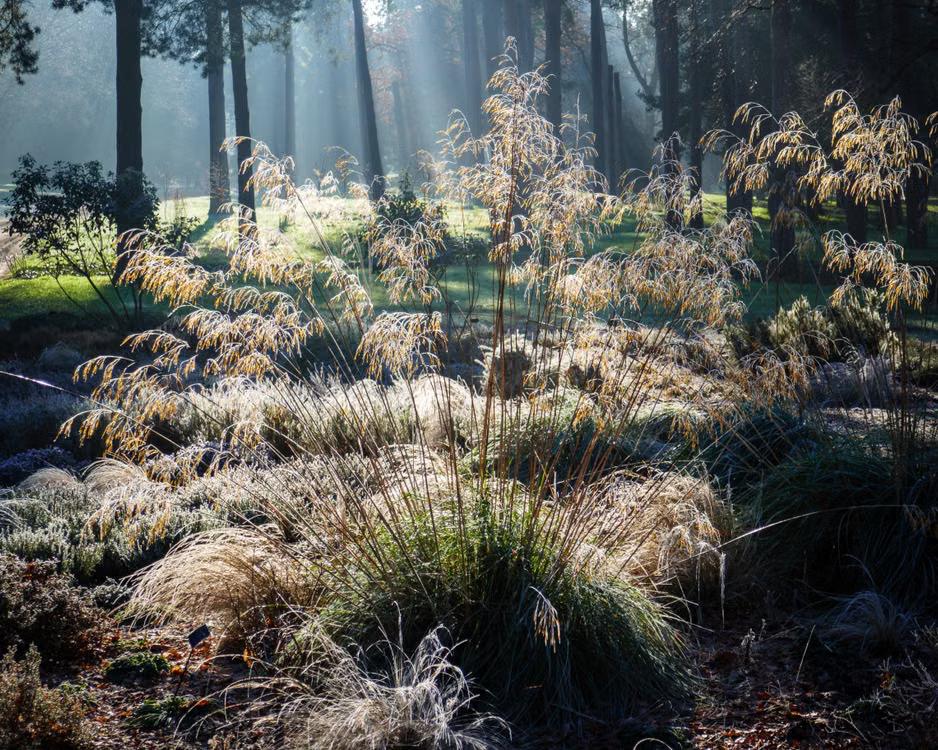
Ornamental grasses can become particularly valuable as the garden moves toward winter. Their upright or arching forms add height, while their seed plumes can catch sunlight and move with the wind.
Look at your existing grasses before deciding whether you need another planting. A single established clump may provide more winter structure than several newly purchased plants.
Consider how grasses interact with surrounding plants. Their fine texture can soften larger leaves, while taller varieties can create a visual transition between lower planting beds and shrubs.
Look for Evergreen Foliage
Evergreen foliage provides another layer of winter interest. While deciduous plants lose their leaves, evergreen plants can continue contributing color and density.
Walk around your property and identify areas that become noticeably empty in winter.
Existing evergreen foliage may already provide enough coverage to balance those spaces.
If your landscape lacks winter greenery, that does not automatically mean you need a major planting project. Make notes about the areas that genuinely need more structure.
You can then compare those needs with the mature size, sunlight requirements, and moisture preferences of potential additions.
Bark Can Become a Winter Feature
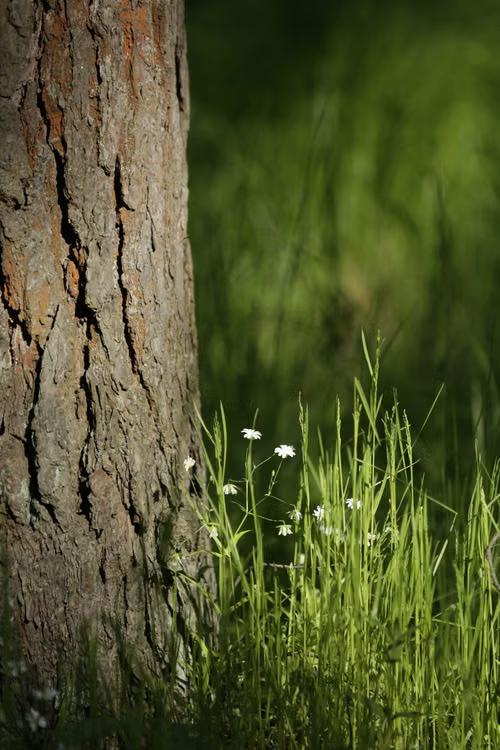
Once leaves disappear, bark becomes easier to notice. Trees and shrubs with distinctive bark can provide subtle visual contrast during the colder months.
Look for peeling, textured, colorful, or unusually patterned bark. Pay attention to how branches appear against fences, walls, lawns, and other plantings.
This is one reason a garden should be evaluated throughout the year. A plant that seems quiet during summer may become one of the strongest visual elements once surrounding foliage disappears.
Evaluate Before You Buy
If you are considering new perennial plants near Miller Place, start by assessing the landscape you already have.
Ask yourself:
- Which plants still look attractive after flowering?
- Where does the garden lose structure?
- Which areas need evergreen foliage?
- Are there empty spaces that become too noticeable in winter?
- Could pruning reveal an attractive branch structure?
- Are some plants being cut back before their winter form can be appreciated?
These questions can prevent unnecessary purchases. They can also help you make more deliberate choices when you eventually visit a garden center.
Build Around Four-Season Structure
A garden with winter interest does not need to look identical in January and July. The goal is to create changing layers that remain visually engaging as different plants enter dormancy.
Existing perennial plants can provide the foundation. Add evergreen foliage where year-round density is needed. Keep selected seed heads for texture. Use grasses for movement. Let distinctive bark and branches become more visible once leaves fall.
For gardeners looking for garden plants near Miller Place, thinking about the entire year can make plant selection more useful. Instead of asking only when a plant flowers, consider what it contributes before and after flowering.
At GardenWorx, we help gardeners think through those choices based on their space, growing conditions, and goals. Our approach is rooted in horticultural knowledge and practical customer guidance. More than 70% of our plant material is grown in-house, reflecting our focus on plant quality and local growing conditions.
Make Your Existing Garden Work Harder
The end of flowering does not mean the end of your garden’s visual appeal. Before removing everything or shopping for replacements, pause and observe.
The strongest winter features may already be growing in your landscape.
If you need help evaluating your planting plan or choosing additions, visit our garden center near Miller Place for guidance. You can also explore our Farm & Garden resources or contact GardenWorx with questions about your garden.