
A garden should give you a reason to step outside in every season, not only when the first flush of flowers appears. A useful four-season test asks a simple question: what will be interesting here three months from now? For homeowners considering perennial plants near Miller Place, that question can shape a planting plan that remains inviting from spring through winter.
Start With Spring Interest
Spring may bring bulbs, fresh foliage, flowering shrubs, and early perennials. Begin your evaluation by listing what each planting area contributes during this period. Look for plants that wake up at different times rather than relying on one short burst of color. Bulbs can provide early flowers while emerging leaves from shrubs and perennials prepare the garden for the weeks ahead.
Build Summer Succession
Summer can rely on annuals, grasses, colorful perennials, and full foliage. The goal is not to make every week equally colorful. Instead, seasonal succession allows one group to take over as another finishes. Early perennials can fade into surrounding foliage while later varieties begin flowering. Annuals can fill temporary gaps, providing color where longer-lived plants are between cycles.
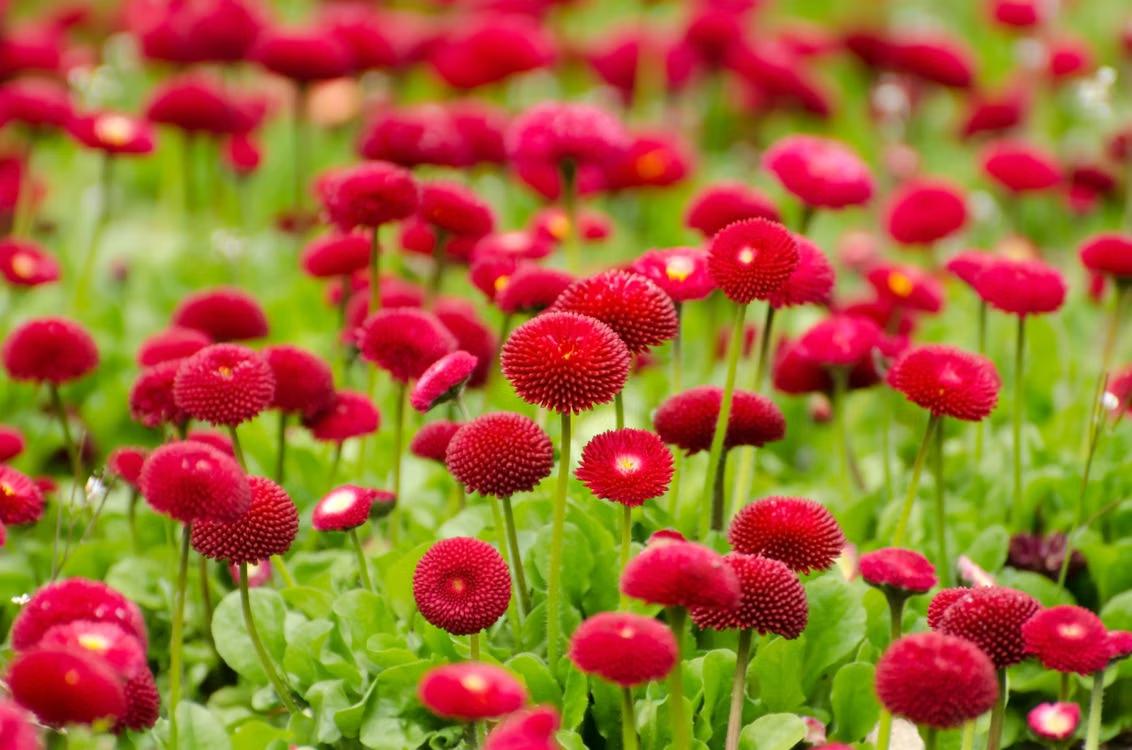
Perennials are especially useful because they return each year and can provide dependable periods of interest. However, using only perennials may leave noticeable gaps. Foliage plants help maintain visual appeal when flowers are between cycles, while different leaf shapes, heights, textures, and colors can keep beds engaging even when little is blooming.
Give Autumn More to Offer
Autumn should bring changing leaves, seed heads, berries, and late flowers. Grasses deserve attention during this evaluation because their blades can add height and texture through summer, while wide varieties develop attractive seed heads for autumn. Instead of removing everything immediately after flowering, homeowners can leave selected stems standing when they remain attractive and provide useful structure.
Berries can extend seasonal interest as well. Shrubs that produce red, orange, purple, or dark berries may become more noticeable after leaves fall. They can create points of color during a period when flowering is limited. When selecting plants, consider whether berries persist into winter and whether the plant fits the available space and growing conditions.
Test Your Garden in Winter
Winter structure is one of the easiest elements to overlook. Walk around the property after leaves have fallen and assess what remains. Are there strong evergreen forms?
Do shrubs have interesting branches? Are ornamental grasses still upright? Can paths, walls, containers, fences, or specimen trees provide definition? If the answer is no, adding plants or features with winter presence can make a meaningful difference.
When reviewing your planting plan, mark the month when each major plant begins and ends its best display. Then look for transitions rather than isolated highlights. If one flowering period ends in July and nothing takes over until September, that interval deserves attention. You might add a late-blooming perennial, an annual for temporary color, or a grass that stays attractive beyond summer. The same approach works in spring and autumn.
Check for Seasonal Gaps
Another useful test is to photograph the garden once each season from the same location. Compare the images and look for empty stretches, sudden drops in color, or areas that depend too heavily on one flowering period. A garden may look impressive in June yet feel bare in November. Seasonal photographs make those gaps easier to identify and address.
Pay attention to maintenance as well. A successful year-round planting plan should be practical for the people caring for it. Choose plants suited to local conditions, group plants with similar needs, and avoid creating beds that require constant replacement or complicated care. Repeating dependable plants in several areas can create visual consistency while reducing guesswork.
Create Interest That Lasts
The four-season test changes how you judge a garden. Instead of asking which month looks best, ask whether each season has something worth noticing. Strong planting plans combine flowers, foliage, grasses, berries, and lasting structure so interest passes naturally from one period to the next.
If you are planning seasonal gardening, local knowledge can help you select plants that perform well through changing conditions. Homeowners seeking guidance from garden experts can also benefit from advice about placement, timing, and plant combinations. For those considering perennial plants near Miller Place, thoughtful selection can help create dependable color and structure while reducing seasonal gaps. GardenWorx can help you create a garden with something to anticipate in every season. Explore the garden center and contact us today.